What I Learned This Year

LexiMyLexiHealth Is Wealth: In my peer group, wealth can be measured in terms of vanity/victory (athletes) or consumption/conquest (materialists).

Since putting athletic competition to one side, I’ve done better with my physical health. I was fooling myself with a belief that extreme exercise was a requirement for personal satisfaction. Even moderate exercise leaves me as a 1-in-10,000 exerciser.

With improving physical health, it’s clear that my inner experience is what’s next.

With a young family, there are moments when I feel trapped.

Well, despite my tendency to blame others, there’s only one person who can free me!

  1. Freedom to take actions to support my physical, mental and spiritual health
  2. Freedom to control my schedule
  3. Freedom from thought patterns that aren’t useful

With the above in mind, I ask: Who should allocate my capital and my time?

In my case, the answer is “me.”

The last year has been driven by “volunteer” work, mainly with my family.

As I’m prone to over-doing-it… there have been times when I’ve driven myself into the ground.

The symptoms are concerning.

I lose my ability to concentrate, which shows via impaired hearing, sight and memory. I even got a little delusional after the 55-hour week with the kids.

Not fun, and a strain on my marriage, but I do a reasonable job of getting myself back on track.

Knowing my family history, and taking personal responsibility, I’ve decided:

  • to share experiences with the people that are close to me
  • to reduce noise in my daily life
  • to free myself for daily exercise in nature

This requires doing less “for money” and spending money “for time”.

This requires saying “no” or “not yet,” depending on the circumstance.

This requires facing unfounded, but deeply held, fears:

  • letting people down
  • sliding into ill-health
  • financial ruin
  • failed marriage

Do my facts fit my fears?

Usually not.

But when they do, change slowly.

Small, Negative Suprises

Sneaky SquirrelPart of being human is a tendency to over-react to small losses.

As this error has cost my family (big) money, I’m going to share a case study that illustrates the point.

+++

One of my jobs is to manage a small portfolio of local real estate. From time-to-time items come up that need to be sorted. Each of those items represents a small dose of unexpected pain.

In most years, there will be a dozen items that require action. Total cost of these items is on the order of one-month’s living expenses.

To give an idea on scale of the “pain”, the portfolio is worth ten-year’s living expenses and, annually, it generates cash equivalent to seven-month’s living expenses.

Combining the above, you could calculate that the portfolio has a cash yield of ~5% on net realizable value.

When compared to all of the alternatives, this investment is one of the best places to invest.

But the random, little bits of pain hurt — jammed sewer lines, flooded basements, six-foot high marijuana plants, missing tenants, leaking toilets… none of this is unusual, or unexpected.

The small doses of pain hurt so much I’ve been considering selling the portfolio and switching into a less attractive investment.

+++

To escape the small and random pain, I am willing to accept certain, large and immediate pain! A discount on market value and payment of significant tax liabilities. The total cost would be more than two-year’s living expenses.

In a fantastic investment, with less attractive alternatives, I’m willing to pay 25x more than the cost of the pain to make it go away.

+++

Rather than pay two-years living expenses to make the pain go away, I’ve hired a property management company to insulate me from the pain.

Annual cost is 0.6% of net realizable value and less than a month’s living expenses.

+++

Beware of quick reactions triggered by small, negative surprises.

They are often irrational.


Teaching Up The Tree

cottonwoodLast spring, a friend asked for my advice.

He felt his elders were making mistakes and wanted to get through to them.

I drew a blank on his question and have been considering it for some time!

++

2015-10-05 16.05.12I saw two components…

  1. a desire to help others
  2. an opinion that someone else is wrong

For the first component, I asked myself, “What is the most powerful form of teaching that I can bring to my family?”

If I’m looking to maximize my impact then nothing beats sharing stories about how I repeated one of my family’s most common mistakes.

So… I pay attention to what needs fixing in the elders, notice when it needs fixing in myself and share a funny story about my error with my kids.

My kids love hearing about my mistakes.

Adults hearing about their own mistakes?

Less so.

++

IMG_4860The second component of my friend’s desire to teach…

I asked myself, “Am I sure?”

  1. Am I sure that my way is correct?
  2. Are there circumstances that would make my way incorrect?

My buddy and I were discussing long-term financial security. At the time, we were 100% certain that “our way” was the right way. I agreed that his elders were mismanaging their affairs.

As fate would have it, a few months later I heard a story about a pensioner.

An elderly woman had most of her life savings sitting in a local credit union (earning 0.1% per annum). Instead of telling her that she had to change, her family initiated a discussion to understand why that decision made sense to their mother.

It turns out the lady had thought through her rationale in detail. Her strategy recognized a personal lack of knowledge, a lack of trust in financial advisors, fear of loss and zero personal upside from positive investment returns.

Sometimes it is my lack of understanding that needs to change.


Food, Sex and Money

IMG_1573This week, I am holding down the fort (with a lot of help) and my wife’s away on a retreat.

She’s spending time with a bunch of smart ladies, most of whom are slightly older than herself. It’s an environment similar to the camping trip that I wrote about.

Before she headed off, I made the following observation…

If you listen closely then you’ll hear most minds focusing on food, sex and money.

Taken together, they are an influence strategy that you’ll see reflected in most scandals.

This coming week, you have a unique opportunity to tap into the life experience of older women, who understand the life heading your way.

Why don’t you ask them what to expect, what they learned and how best to cope with the inevitable changes of the next 15 years.

Love you, babe.

cheers

Deciding Who’s To Blame

sharing

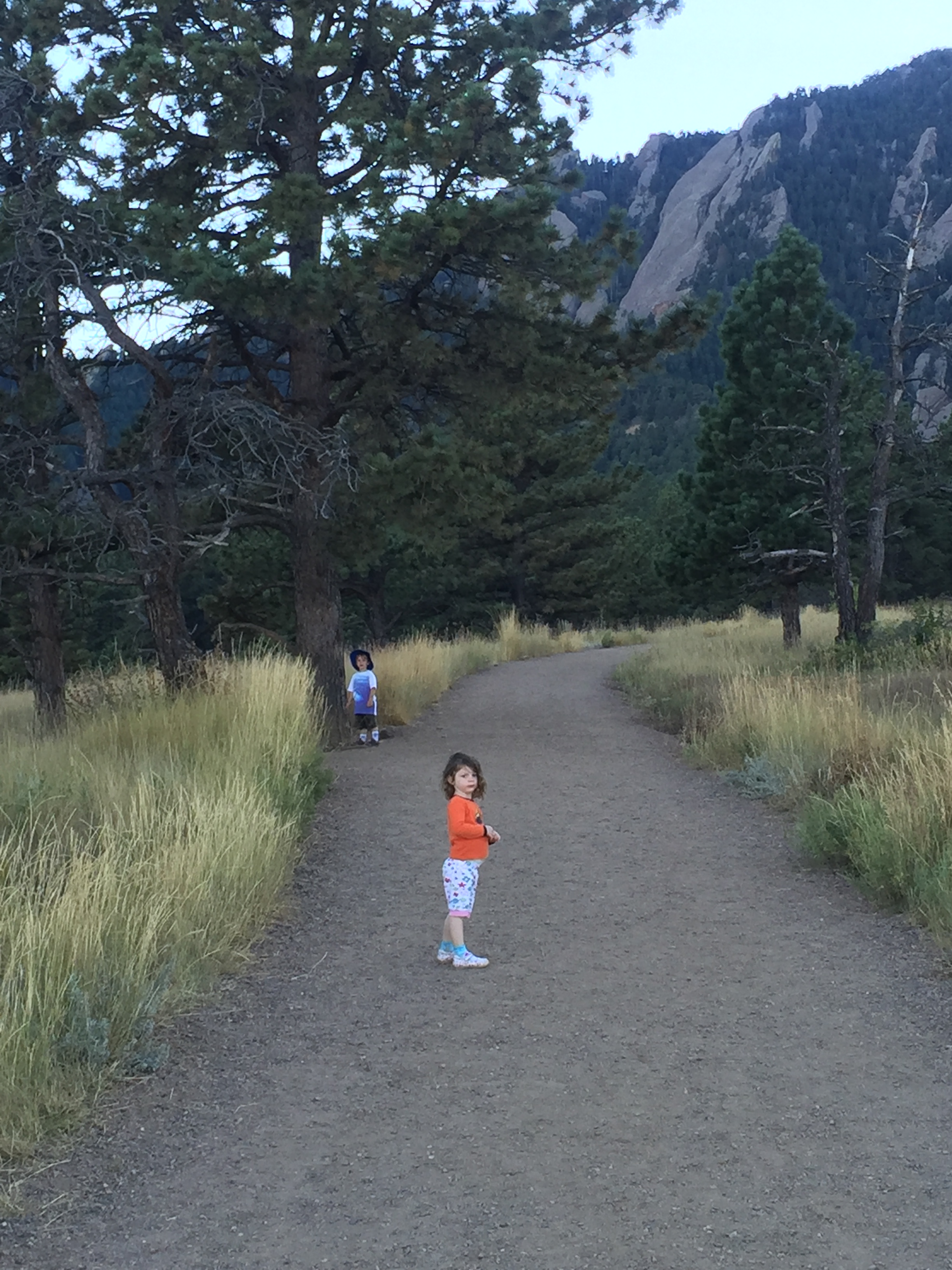
Today’s picture is my seven-year old sharing her birthday candles with her siblings.

Watching unconditional sharing in my oldest child showed me that I am not seeing things as they are.

My daughter has far more kindness than I perceive.

++

bigbearListen to people discuss their difficulties and you’ll hear about the shortcomings of others.

How I can counter my tendency to fool myself within my key relationships?

Acknowledge stress – illness, injury, financial hardship, noise, lack of sleep – when I am under duress, I’m much more likely to “blame” people, rather than owning situations.

A house filled with little people is a stressful situation, certainly if you’re not used to it. Be watchful that you don’t form a negative view of others, simply because you’re under duress.

++

2015-10-10 10.48.53Slow down – stress, combined with rushing, is my optimal state for making mistakes!

I can cut my error rate in half with well-placed pauses and noticing when I am holding my breath.

How often do you hold your breath? In what circumstances?

As I coach, I would teach cyclists to corner better by breathing-through-the-turns.

Like a nervous athlete descending a mountain road, we might not realize when we are holding our breath.

++

happyChange externals – When I am falling out with people, consider if “people” are the problem.

If I want to make things work with an individual then focus on frequent small actions to reduce their stress.

With every person I see (especially my internal life), what is the scorecard of negative vs positive interactions?

A simple way to improve my interactions with others is to improve my own attitude.

What kinds of emotional fingerprints do I leave?

++

Go deep – remember that it’s rarely about what it’s about.

External circumstances and basic needs drive most of our behaviors. What’s the unmet need that’s driving this behavior?

When you get the hang of manipulating others with the above… 😉

…then you can tweak your key relationships

…and, perhaps, yourself

Aging Athletes on the Kokopelli Trail

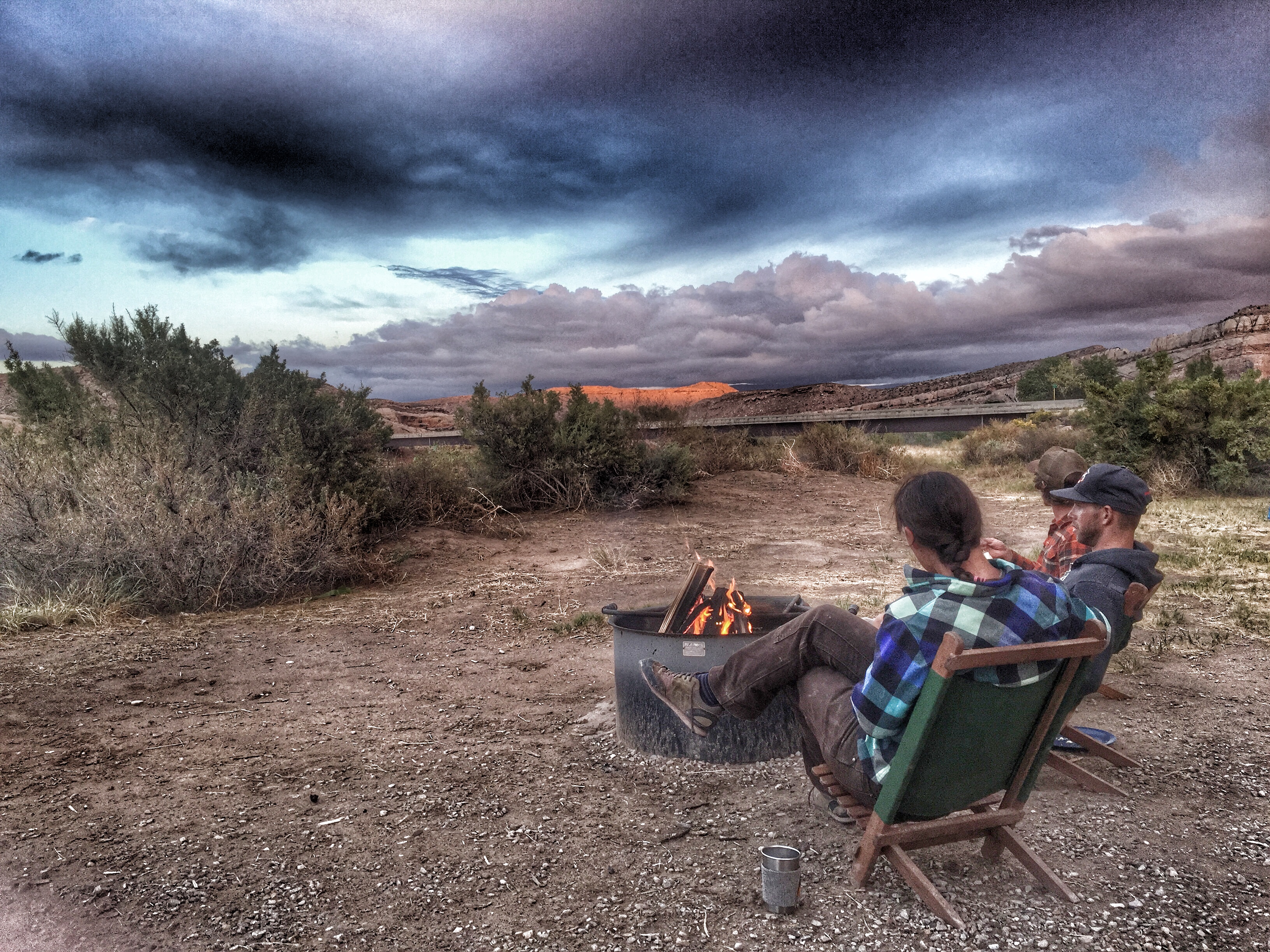
FullSizeRender 2I spent early October riding the Kokopelli Trail in Utah.

I enjoyed the trip more than I expected and want to share ideas to increase your athletic satisfaction as you move into, and beyond, middle age.

High performance is not about health, but long-term athletic satisfaction is most certainly correlated to health, strength and mobility.

As a cohort, our group of 40 to 60 year olds was the healthiest population that I have ever trained alongside. I am using health in a classical context – body, mind and spirit.

+++

Here in Boulder, I see many friends “age-down” their training partners, seeking younger and younger peers. Heck, we even race our kids as soon as they are fast enough to give us a push.

If you feel compelled to hang onto your youthful performances then be sure to try the opposite, at least some of the time. Age up your pals, teach children and be kind to beginners. Pay close attention to how this makes you feel.

As one of the the “youngsters” on the trip, I learned a lot from listening to the veteran athletes talk about their lives.

+++

Usually, a training camp involves a 5:30am alarm, wolfing down a breakfast, training all day, eating two massive dinners and sweating myself to sleep. Repeat for six to ten days.

Dropping into a guiding company that was celebrating 25 years of trips, I realized how little I knew about what (normal) people want.

On the first morning, the guides had a chuckle when I arrived in the lobby with my helmet, shoes and full riding kit. It was POURING rain and they gently broke it to me that we weren’t riding for a while.

2015-10-05 11.32.21This pattern, of gently breaking it to me, would continue for the week. Eventually, I capitulated and decided to (attempt to) be a model guest.

+++

I was surprised by the aspects of the trip that I enjoyed the most — the relaxed mornings and evenings.

I commented to a friend, “This trip is a good workout spread across a great day.”

2015-10-09 08.18.50Bottomless coffee and massive fruit salads in the mornings. As Wes-the-guide can attest, there is something truly satisfying about eating out of a mixing bowl.

FullSizeRender 3Casual dinners and beers around the campfire in the evenings. Our guides taking a well-earned break after a 13-hour day taking care of us.

FullSizeRender 5Stunning camping venues. Wine and cheese at a remote desert campsite.

+++

I should remember that the health, strength and mobility required to enjoy unique experiences in nature is FAR less than what’s required to train alongside high-performance athletes that are half my age.

FullSizeRender 6

Old habits die hard.

I’m changing slowly.

Wealth Habits: Capitalizing Luxuries and Time

IMG_4160Over the last year, I’ve sold two paintings and a piece of jewelry. My family had owned these items for a long time and they have given us a lot of pleasure. However, each September, an insurance bill arrived and gave me a fair amount of pain.

So now the items are gone and last week my insurance bill arrived. I noticed that my insurance savings are enough to take my wife to visit any museum in the world, annually, forever.

By getting through the pain of change (the sale)… I created a situation where we could share experiences together (future trips).

The cost of the status quo is often hidden.

+++

Similar story.

I’ve been thinking about buying a boat, a sprinter van and/or a truck.

Despite evidence to the contrary, at some level, I think these assets will make it easier to spend time with my kids.

These assets are expensive to own, depreciate and require time to maintain.

How to counter the urge to purchase?

Assume depreciable assets are free to own, lease, keep receipts and track total time/spending in a year.

Cat SailAn example for the boat:

  1. As a teenager, I spent many summers working on the water. In those years, what was the total number of days that I would spend on the water? My peak days were 60 per annum. This year was closer to 25 days.
  2. Based on my rental history for the last two years, what’s the average cost per day of renting, rather than owning? Let’s assume it is $1,000 per day.

Based on actual days on the water, how many years expenditure would I capitalize with a purchase? In my case, it is 10-25 years of expenditure based on how you slice the numbers and the size of vessel. Also, worth noting that I was on seven different vessels in 2015.

The above analysis is essential before you buy a vacation home, consider becoming a ski-family or purchase a large depreciable asset.

+++

Think back one decade, or two… have your preferences changed? Mine have changed tremendously and I have discovered that I am a lousy judge of what I’ll want in ten years’ time!

How might a large capital purchase impact the freedom you have to allocate your time?

By staying variable in the family budget, I can:

  1. free significant time in my daily schedule
  2. finance childcare
  3. budget for shared experiences
  4. immediately ratchet down spending, when required

+++

2015-09-20 17.53.02The final step is to pay attention when you are enjoying a “luxury” expenditure.

Notice the changes (if any) with your inner experience.

My benchmark is the way I feeling during a walk in the forest that’s ten minutes away from my desk.

Live where you don’t need to leave.

Family Cycling

2015-09-04 08.22.00Here is the link to my last piece about cycling with babies and preschoolers – also the Endurance Corner article about Active Parents.

Roll forward 18 months and the kids are aged 7, 4 and 3. The four year old just transitioned from a strider and the three year old is comfortable on her strider as well as a three-wheeled scooter. I wouldn’t have expected some of the changes.

One of my rules-of-thumb is to consider selling anything that I don’t use for a year. So, I sold my racing bikes, race wheels, powermeters and Garmins. When I need a road bike, I rent a top-of the line model. Considering maintenance, upgrades and airline fees – a net savings of more than $1,000 annually for the family.

2015-09-10 16.03.31I spent $5,000 and bought a haul-a-day and a family tandem from Bike Friday. My main bike is a 29er and the 20-inch wheels on the Friday bikes were an adjustment. Disc brakes and front/rear flashing lights with both bikes. Flat pedals for me and shoe cages for my daughter on the tandem.
2015-08-27 18.41.29Most the cost (above) was in the tandem but it’s a game changer for exercising with my oldest. She loves it and we’re up to 20 mile rides. If I remove a second row seat in my Sienna then it fits inside my van and we did several trips this summer. Now that school is back in session, we use it as a commuter to/from her climbing.

When I got the cargo bike, I expected to be able to sell our second car (my Sienna van) as well as our double bike trailer. It’s not going to happen.

Turns out that the second car was useful, it’s now the sitter’s car. The adjustment to not having a car of my own left me a little grumpy. I went so far as to price out what a third car would cost the family. When I calculated the costs associated with a new car, a third car and my existing car… it got a whole lot easier to adjust my life. My effective savings are $5 per city-mile not driven. Human powered whenever possible and treat Uber like a free service.

The cargo bike gets the kids up high and in the air. They love it… when it’s warm. I have kept the trailer for cold and wet mornings, when I bundle up and take one for the team.

2015-09-04 08.11.37SAFETY – it turns out that I don’t enjoy riding on city roads with my kids on their own bikes! This shouldn’t have surprised me (but it did) because I was a nervous boyfriend when Monica and I would train together. The kids and I prefer bike paths, even if they double our travel time.

We didn’t go electric as I have the horsepower (just) to get a hundred extra pounds up the local hills. If you aren’t a strong cyclist then consider front-wheel power assist for the cargo bike.

Survival Tips For A Sad Parent

2015-09-18 19.23.04A father with two young children asks, “Is there anything you could recommend to make my family life less awful?”

I can’t wave a wand and make it enjoyable. However, I take comfort in the knowledge that there are many people that enjoy young children.

Let’s start with some tips for maintaining your personal sanity and your marriage.

++

2015-09-09 18.36.01Perspective

Listening to parents talk about their kids, and the scars of their own childhoods, it’s universally reported that little kids are challenging people to live alongside.

My current experience is one day out of ten is very tough. If I want to get dramatic, then I can extrapolate to 40 days a year that are awful… more than a month a year in suffering!

However, if I look deeply then it is closer to 100 hours a year, and I’m with my kids a lot.

Looking even deeper… I break it down to a couple “moments” each day where I need to resist my urge to retaliate and settle a sensation of internal panic.

Five years ago, it was closer to ten “moments” a day, and I spent far less time with the kids.

It’s important to recognize the positive trend line in our lives.

So what seems like constant bedlam (to my remembering self) is, more accurately, twenty moments a week when I need to be skillful, or simply not make the situation worse!

++

2015-09-10 11.40.34A Hard Truth

From the time your oldest turns two until your youngest enters first grade — it’s not about you.

If you were the prettiest girl in high school, the captain of your varsity sports team, or the highest achiever in your firm then this reality will come as a shock.

I understand that you are shocked by your situation.

I was also shocked.

We should both set a date to get over it.

Your kids are going to present you with an opportunity to become better than you are.

Take the opportunity because a self-serving attitude will become one of the key regrets of your life.

Ask around.

++

2015-09-12 18.48.03All We Have Is Time

Most of the pain I felt in the early years had to do with a conflict of choice => further external validation versus doing what’s best for my family.

So I jettisoned the easy stuff – anything that cost significant time and money – went.

What has worked is redirecting the additional spending towards childcare that enables me to spend time with my spouse and alone (in nature, in silence).

You might find it tempting to let your spouse get overwhelmed – losing health, embracing addiction, breaking down mentally.

Make a pact that you won’t let each other go that far. The kids will grow up and neither of you will want to be married to that sort of person.

++

What You Control

What changes can I make to offer my family a better version of myself?

  1. Say no to non-core
  2. Practice not-response

I work on a small scale and life consistently gets better.

Real Estate – Should I buy or sell?

2015-09-14 13.55.37

In May 2014, I shared a template for reviewing your real estate. Let’s revisit that property – (prior values in parenthesis).

  • Today’s Zillow value $1.2 million ($850,000, +26%)
  • Recent Assessment value $1.05 million ($830,000, +27%)

Zillow and the county assessor have revised values up by more than 25%. You’re wondering if there is a bubble. You receive an offer of $1.1 million, should you sell?

In the article from May 2014, the “owner’s value” was $925,000. This offer is ~20% higher. Seems straightforward to sell, but pause to consider…

  1. How has the investment changed over time?
  2. What are you going to do with the money?
  3. What are the tax consequences of selling?

2015-09-11 15.25.11Investment Review

The big story in Denver/Boulder real estate has been increasing rents. The current rental income for the property is ~$60,000 per annum. Taxes, insurance and repairs cost $10,000, so the net cash flow is $50,000 per annum.

Previously, cash flow before interest and depreciation was closer to $25,000 per annum. So there has been a near doubling in the annual cash flow from this investment, but pause to consider…

Is the cash flow sustainable?

In this case, the cash flow is not sustainable. Houses wear out, roofs need replacing, plumbing needs repair and appliances break down. So let’s adjust the $50,000 per annum to $40,000 to reflect sustainable cash flow.

The offer is $1.1 million to buy $40,000 of sustainable cash flow. That is an implied yield of 3.6%.

How does that stack up?

++

Alternative Uses of Funds

US Treasury Yields

  • 5 year, 1.6%
  • 10 year, 2.3%
  • 30 year, 3.1%

Vanguard Select Fund Yields

  • VTSAX (US Equity) – 2.0%
  • VBTLX (US Bond) – 2.2%

If you are the seller then you should ask yourself “What am I going to do with the sales proceeds?”

If you sell real estate that yields 3.6% to buy bonds that yield 2-3% then the value of your investment is likely to be eroded over time. Most obviously, because rental income tends to increase over time, while interest payments are set for the duration of the bond.

High-quality assets with growing income streams are attractive.

++

Taxes

If you sell at $1,100,000 (to a buyer without an agent) then what’s your net realizable value?

Using numbers consistent with the May 2014 article, you would net about $1,025,000 (before any mortgage pay off).

You’d also want to adjust the sustainable cash flow from the property to reflect taxes you pay on the income. To make things simple, let’s assume a sustainable cash flow after taxes of $32,500 (yielding ~3.2% after tax).

The above numbers would change, possibly significantly, based on the size of mortgage payoff and your personal tax position.

It’s worth having a professional walk you through the detail.

++

Overall

When I look at the above, I see a market that has increased 25% in value. Seems like a lot.

  1. Rental growth is in line with the increase in value.
  2. Alternative investments are yielding less than this asset.
  3. The asset is located in a zip code with real-economic growth that is higher than the US average.

So the market seems fairly priced – at least to me, today.

What should the buyer and seller do? In these market conditions, they are likely fine either way.

What’s going to happen to future rents and prices? I would be suspicious of anyone that claims to know.