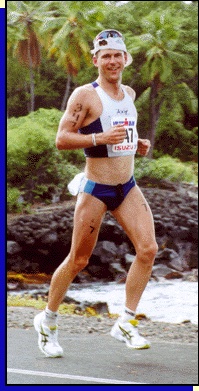
Found this in the archives – memories of a very good day 5th Ironman in 14 months, October 2000
With Ironman Hawaii last weekend, there is a treasure trove of data waiting to be mined.
I took a look through my speedy friends’ activities to see what I could learn.
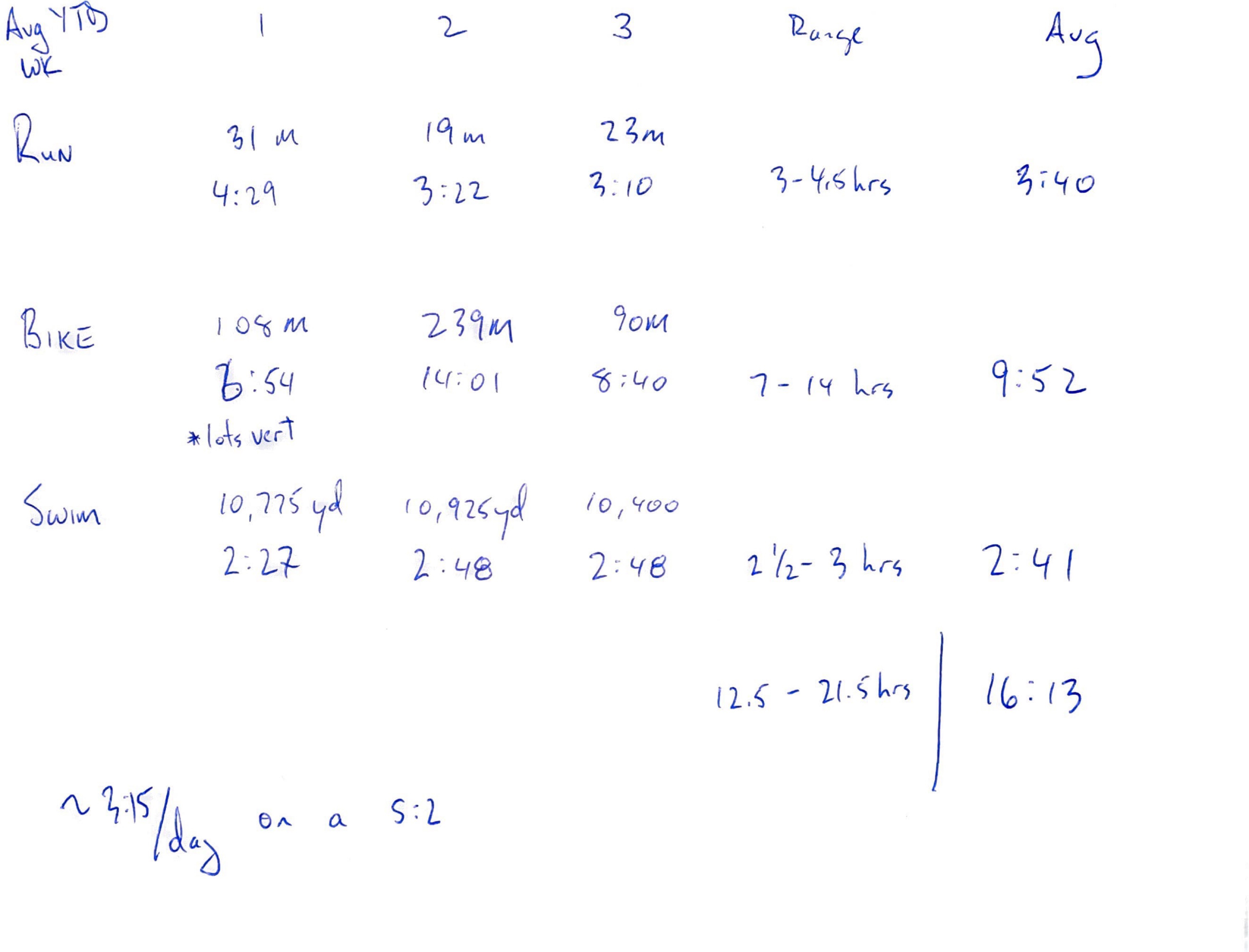
I started with a summary of January to October weekly averages.
16.25 hours a week, every week, for decades
The first thing I noticed is they do a lot of exercise!
That said, it’s not as much as I expected. The implied range is 12-22 hours a week. When I was a speedy 40-something, my range was 18-28 hours per week.
So perhaps this is a “stay good” level of training – these guys are already at the top.
What can you, and I, learn from these athletes?
Think about a Basic Week and forget about the pace that you’re going.
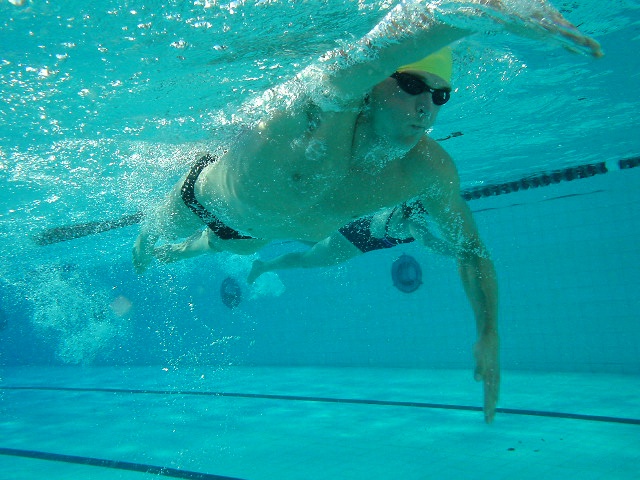
Three swims
Three runs
Bike leads metabolic fitness improvement
Strength work to address personal limiters and injury risks
Mobility – 10′ minimum every single day
My Rx for you, and me, would be 5 months of that program (November to March).
That might seem like a lot but ~300 aerobic hours is a drop in the bucket compared to the lifetime mileage of top endurance athletes.
What a best-case scenario looks like in Kona. Showing the vibe I want to the bring to my training, and racing, going forward.
How fast are these guys?
I started by pulling up the marathon splits of the Best-of-the-Vets in Kona.
Mens 50-54 ran 3:15 to 3:40
Mens 55-59 ran 3:25 to 4:00
Not as fast as expected, except for the handful of sub-3:20 tropical marathons.
I headed over to the Boston Marathon site to have a look.
Mens 50-54 was 2:30-2:45
Mens 55-59 was 2:40-2:55
Still really quick, and my pals remain quick over shorter durations
Implications for me, and you.
Best in class race pace is ~8 minutes per mile, ~5 minutes per km
Right now, fresh, I can run that 30 bpm under max, 15 bpm under threshold – I’ve been running for five months, it’s reasonable to expect some improvement.
The best Ironman athletes (50+) in the world aren’t running much faster than 8 min mile pace – takes a lot of pace pressure off my run sessions.
Might do the same for you…
…and that would give you energy to place elsewhere in your program
Just in case you prefer written content, I’m going to pull the key points out in this post.
#1 – We train ranges, not averages
To ride a 172w average, I sit in a 150 to 200w range.
If my range crosses into a higher zone/domain then I will be changing the nature of my workout.
With elite athletes, this is not a big deal. They have superior lactate clearance ability and handle micro surges, with ease.
With new and developing athletes, this is a source of underperformance in long workouts. The effective intensity is much higher than the average of the workout.
Learn to swim, bike and run… SMOOTH
It is a foundational skill
#2 – Anchors
Skew your errors left
Recognize that we exercise in ranges, not averages.
Keep your range in the domain you are seeking to train.
Setting an accurate anchor can help.
++
Aerobic Threshold (AeT) (Border Between Zone 1 and Zone 2)
Easily found using the protocol in my lactate video. Anchor your endurance training here, exercise smoothly, and your range will straddle Zones 1 & 2.
For Heavy Domain training, start by anchoring here. This keeps your range away from the Severe Domain, where the recovery cost of your session rises much faster than the benefit from working a fraction higher.
++
What you call the zones doesn’t matter.
What matters…
Figure out the correct anchor for the stimulus you are seeking
Key points:
Know the effective range of your training
Consider if your range overlaps a higher intensity domain
Set endurance anchors bottom-up
Consider checking in-workout lactates to confirm the above
When you have a fatigue mismatch, it is likely because you are training more intensely than you realize.
When you have upward drift in your heart rate, consider backing off.
++
The most common “intensity” mistake is blowing right past T- into the Severe Domain (above FT/CP/LT2)
Floods the body with lactate
Recovery greatly extended
Painful
Time at intensity reduced, for small gain in work rate
We don’t graduate to crushing ourselves in the Severe Domain – we learn how to use the Heavy Domain wisely.
The “programer” is not aware of my background load:
I scale the sessions (downwards) to fit into my strength allocation for the week
I spread the sessions out to avoid too much load in a week
The benefit of using someone else’s program is variety. For me, the only way to make that happen is someone else designing the program.
Your personal tolerance for strength will vary over time. The 10% guideline is a minimum. Many athletes will tolerate, and benefit from, a greater emphasis on strength (particularly in the winter).
I score traditional strength at 1 TSS point per minute and plyometric/work capacity sessions at 2 TSS points per minute. These scores include rest periods.
When resting between work sets, do mobility work!
So that leaves us with Endurance Training
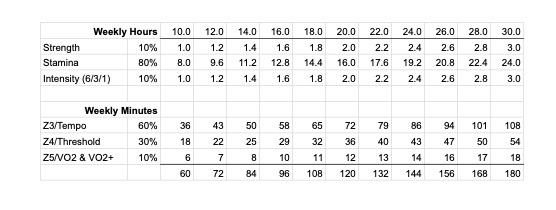
80% Stamina
6% Tempo
3% Threshold
1% VO2 & VO2+
I titled this piece with intent.
The Ambitious Athlete’s Guide
I am assuming you truly want to see what’s possible with regard to endurance sport.
I’m assuming you want long term gains rather than whatever payoff you’re receiving from your current approach.
To see what’s possible, you’re going to have to overcome certain aspects of your Human Operating System and past habits.
One of these aspects is what I call “training like an age grouper” => instead of the 9% allocation to Tempo/Threshold we often have a burning desire to get that number closer to 90%!
Tempo/Threshold is what we expect exercise to feel like. Our breathing rate is up, we’re sweating, the work rate is high… we think it’s more beneficial.
Well, it is and it isn’t.
The ability to benefit from “work rate” training is linked to our capacity to do, and recover from, work.
Stamina is our endurance capacity over time and fully developing this capacity takes years.
Best effort for an hour scores 100 points (5th gear)
Threshold effort 85 points per hour (4th gear)
Tempo effort 75 points per hour (3rd gear)
Steady effort 65 points per hour (2nd gear)
Easy effort 50 points per hour (1st gear)
If you think in Fahrenheit then you probably won’t be that far off.
Exercise scientists spend their lives debating the different gears, the transitions between the gears and the best gear to use for where you want to take yourself.
It matters, and it doesn’t matter.
Why?
Because most people never stay focused long enough for their protocol to limit their performance.
What you need is a simple way to keep yourself from over-doing-it.
TSS works for this task.
++
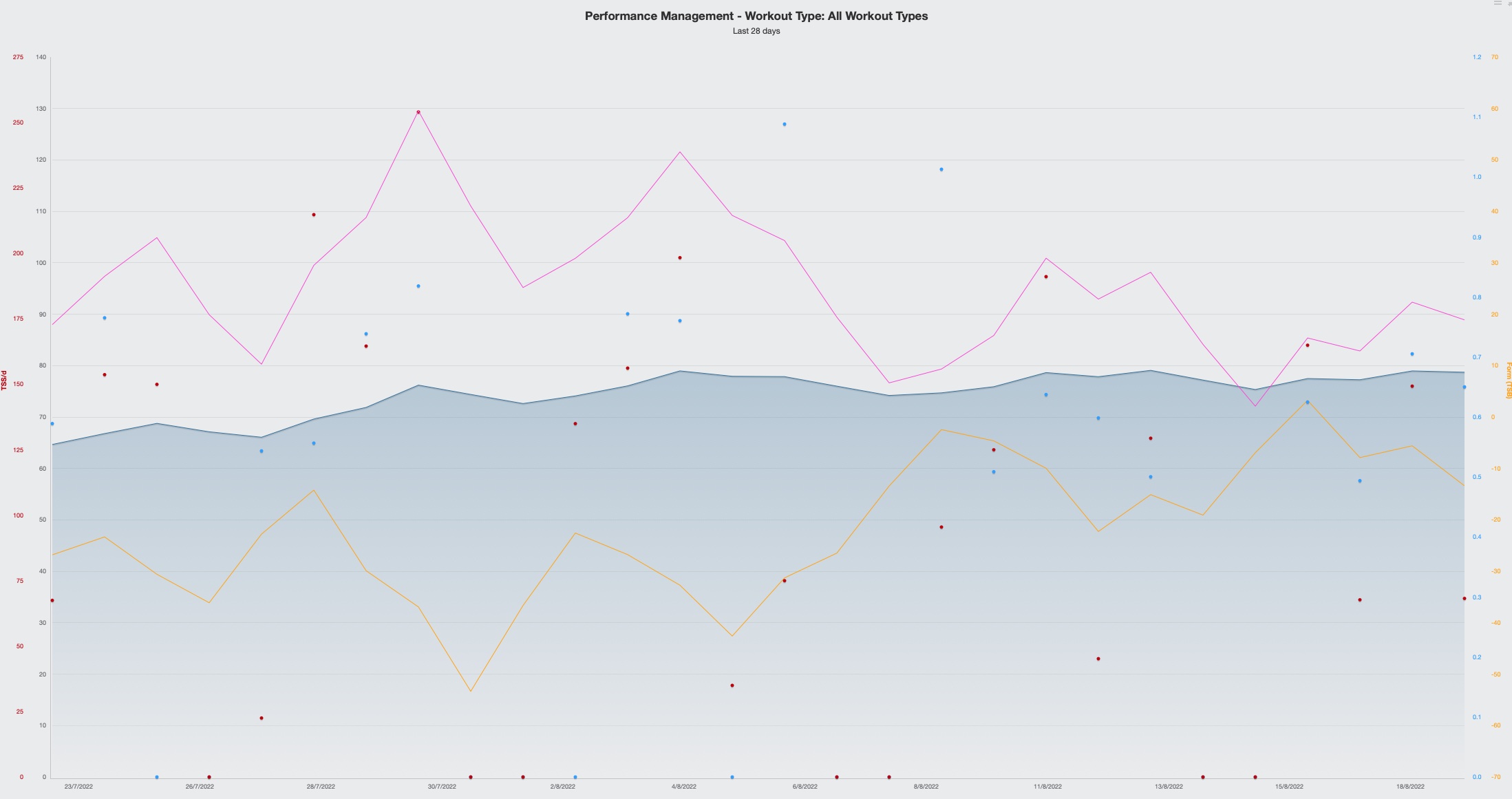
Each day, I push my workouts up to TrainingPeaks and a TSS score is generated for the day.
CTL is a proxy for fitness – it’s what you’ve actually managed to do for the last six weeks.
TIP: the speed your CTL increases is called your “load ramp” – a common error for athletes is too quick a load ramp.
++
CTL should be fairly stable – if it is not then look deeper.
Do you have unplanned misses? injuries? illnesses?
Your mind will try to wrap a story around the misses.
Don’t worry about why.
Instead, assume:
Your training zones are set too high
Your loading days are too big
You have too many loading days
Two loading days each week, a stable CTL, a life that’s under control…
Gives you plenty to work with.
++
In the TP world, “fatigue” is measured by Acute Training Load, ATL. This is your average score for the last week (7 days).
If we take your CTL (fitness) and subtract your ATL (fatigue) then we can see how “fresh” you are. TP calls this your “form.”
Each athlete will have a personal tolerance for how negative they can take their form.
When you get “too tired” have a look at your “form” score and see how negative it was before you tipped over the edge.
We ALL make mistakes – the framework gives you a way to see if there is a pattern to your loading mistakes.
How it comes together – Blue Shaded is CTL, Red line is Acute Load and Yellow Line is Form – this table is called the Performance Management Chart I’ve been working my CTL upwards so my form has been negative in the last 28 days
If it the above seems too much then you can simplify your approach!
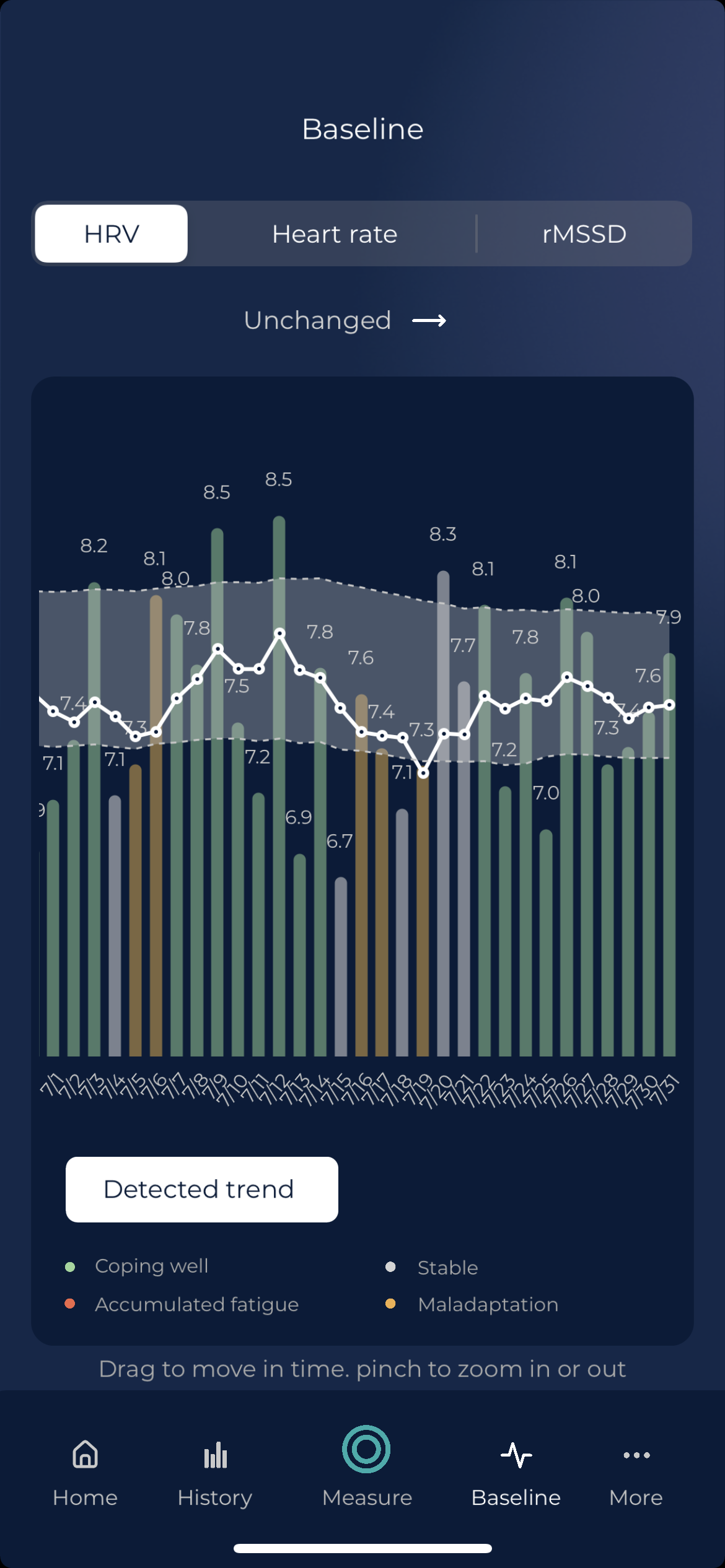
Use HRV4Training and taking a morning HR measurement. Marco’s app will help you decide if it is a good day to load, recover, or rest.
Green light (load), Yellow light (maintenance or easy), Red light (recovery).
For now, I don’t recommend other company “readiness metrics” – they don’t work, yet.
To show how the week comes together, let’s dig into a case study – my current situation
My CTL is ~75 points.
Easy day – 25-50 points (below CTL)
Maintenance day – 75 points (around CTL)
Loading day – 150 points (2x CTL)
The key error here is one you’ve heard before…
Keep your easy days easy
In order to give yourself capacity to absorb your Loading Days, you need to recover from them!
This means you need to limit:
Number of loading days in a week
The size of the loading day, relative to CTL (your “average” day)
Many athletes load themselves into the ground, go stale, recover, then repeat the cycle, perhaps with injury/illness for variety!
This pattern will leave you undertrained because you are doing too much training.
More Tips:
When I was younger, I tolerated bigger Loading Days – start with two days a week at 2x CTL
The game with CTL is to gradually build sustainable load – that’s a superior game to seeing how hard you can smash yourself every single weekend.
CTL will seem like a long game to you. Six weeks is NOTHING – barely enough time to create an overuse injury.
1,000 days is the shortest cycle you should be thinking about. Amateur athletes should be thinking on an Olympic Cycle – 2 years base building, 1 year performance-focused, 1 year health-focused – repeat forever!
The majority of your load should be Moderate Domain aerobic load (Zone 1 and Zone 2). This is very different to what you will think you need. You are going to be battling your urge to “go hard” and self-sabotage.
Training Peaks helps make mistakes visible – it’s up to you to address your mistakes.
Now we are ready to discuss the week, itself.
Similar to the Big Picture, write down what you are trying to achieve. From my week just past:
Elevation change run
Hill sprints
Bike long ride (2,000kj)
Those were specific workouts I wanted to include.
Why?
Something important I didn’t do last week
Something I want to add
Correcting an error from prior week (2,800kj was too much)
All the other sessions stay the same: (a) endurance training focus; and (b) strength sessions.
Nine months along with HRV, and 15 weeks along with proper training… I wanted to update you on how I’m applying load.
Dealing with Noise
To avoid chasing my tail on a daily basis…
Respect the trend
Ensure a positive trend before starting each microcycle
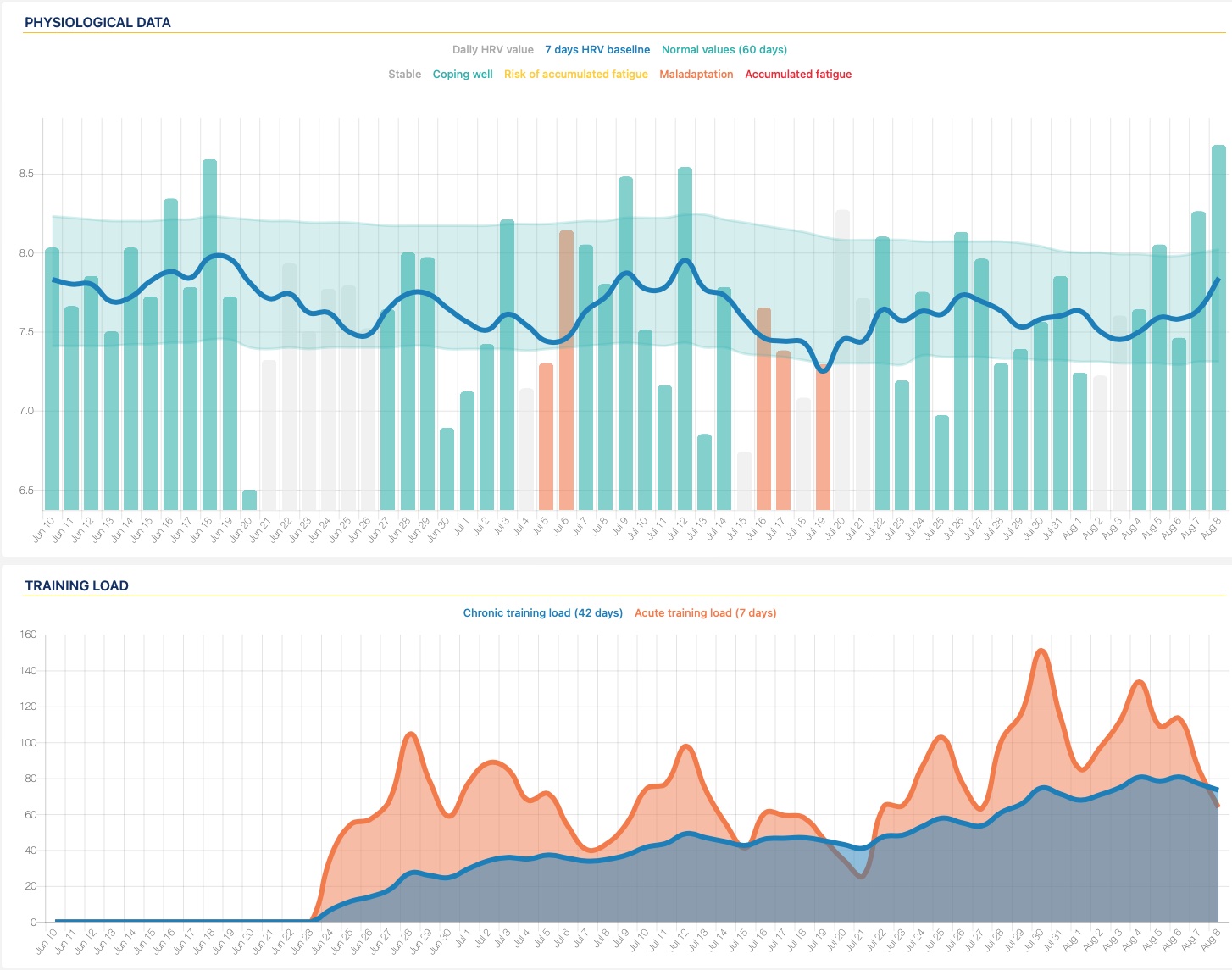
Chart from HRV4T.com
Respecting The Trend
Top half of the chart:
Blue line – 7 day HRV average
Shaded range – 60 day HRV average
Colored Bars – how I’m trending
When my “line” gets to the bottom of my shaded range…
When my bar turns orange…
…it is a sign I have disregarded the trend and gone too far.
Because my primary source of overload is Moderate Domain aerobic volume, the fatigue clears in a few days.
In July (lower chart) I made an error that required a week of backing off.
My error was stacking bikes on top of hikes, same day => my muscles are learning to reload themselves and I need to metabolically challenging sessions.
Where I went wrong was pushing duration AND load on multiple days.
Too much stress, too quickly (TSS was 3-5x CTL for the technically minded).
Related, being human… I share the urge…
to progress every session
to increase intensity when my heart rate is up
to set personal bests
Three things have helped me have fun, while not blowing myself up…
Set a HR cap for each of Stamina (135 bpm) and Threshold (150 bpm)
Set a time-at-intensity cap for efforts above Stamina (10% of total load)
Publish what I did, weekly
Reduce the scale of self-inflicted wounds.
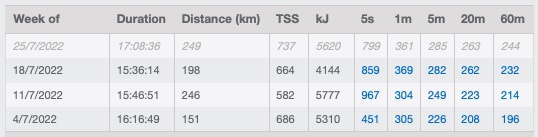
The last week of July saw encouraging #s on the bike – the approach is working
Variation
I bought myself a Kickr-Bike.
Love it and realized that my previous riding had been very low variation, possibly too low.
The Kickr, combined with the Zwift platform, gives me natural variation based on the course I select. I’ve been mixing flat, rolling and climbing courses.
I’m going to extend stamina by adding more flat/rolling riding.
I am always tempted to add climbing but that tends to be higher torque & intensity – could lead to repeating my error of stacking load & duration.
What’s next?
Extend my comfortable stamina durations
Add a bit more Severe Domain work (VO2, bounding, sprints)
If you have a look at NVDP’s appendix in How To Skate, you’ll see there’s a heck of a lot of running in the base program.
Why would speed skaters do so much running? Honestly, I’m not sure. Probably because they liked it. Eventually, Nils’ base training switched to bike only and the rest is history!
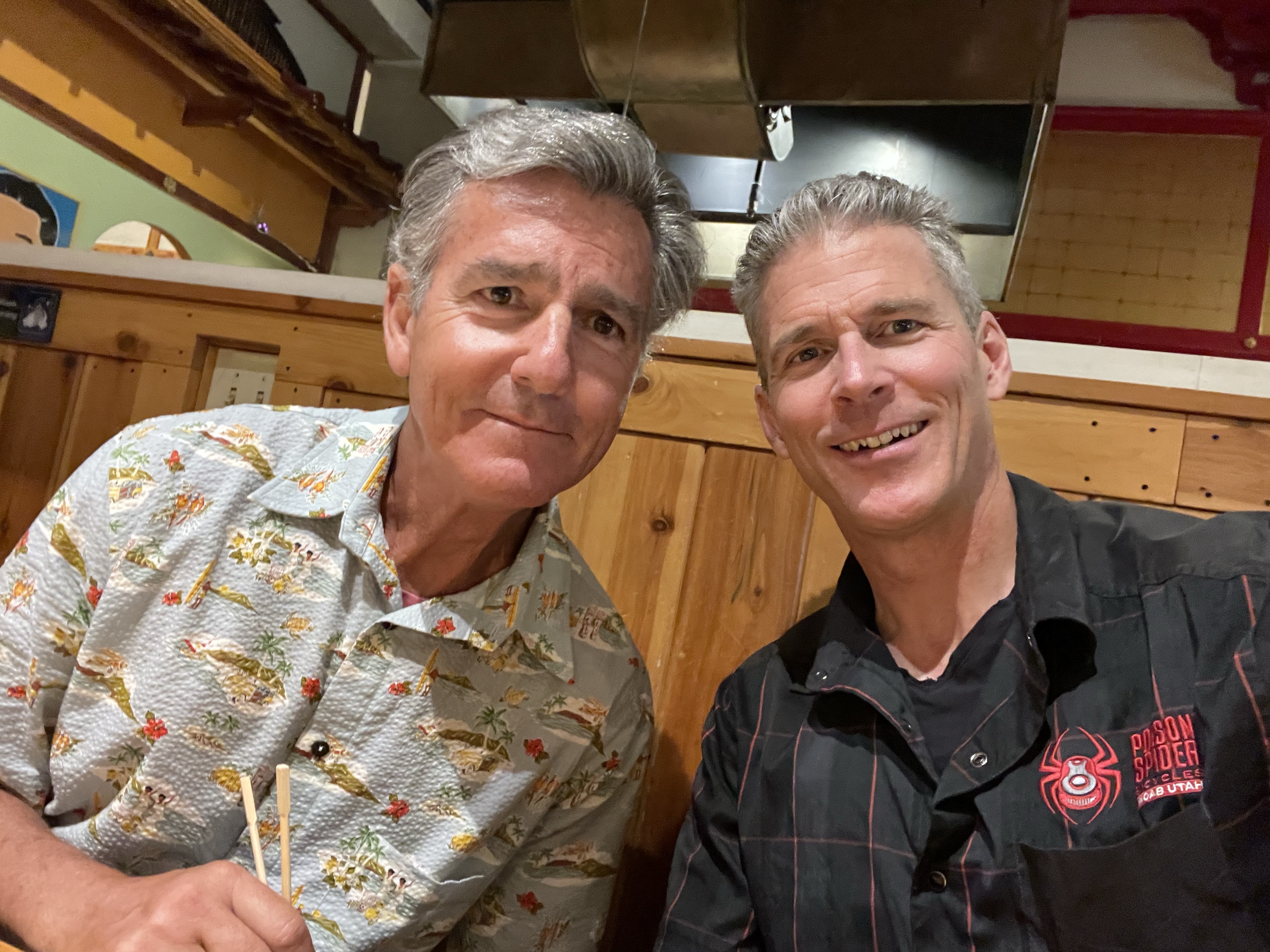
Nils’ coach, Johan, has been helping me with my return to running. In addition to speed skating, he is an expert at rehabilitating running injuries!
We are applying his knowledge to my legs BEFORE they are hurt.
Step One: Hiking
Before I ever thought about running, I hiked.
Initially, pub-to-pub in England!
Eventually, in the hills around Hong Kong and on big mountains around the World.
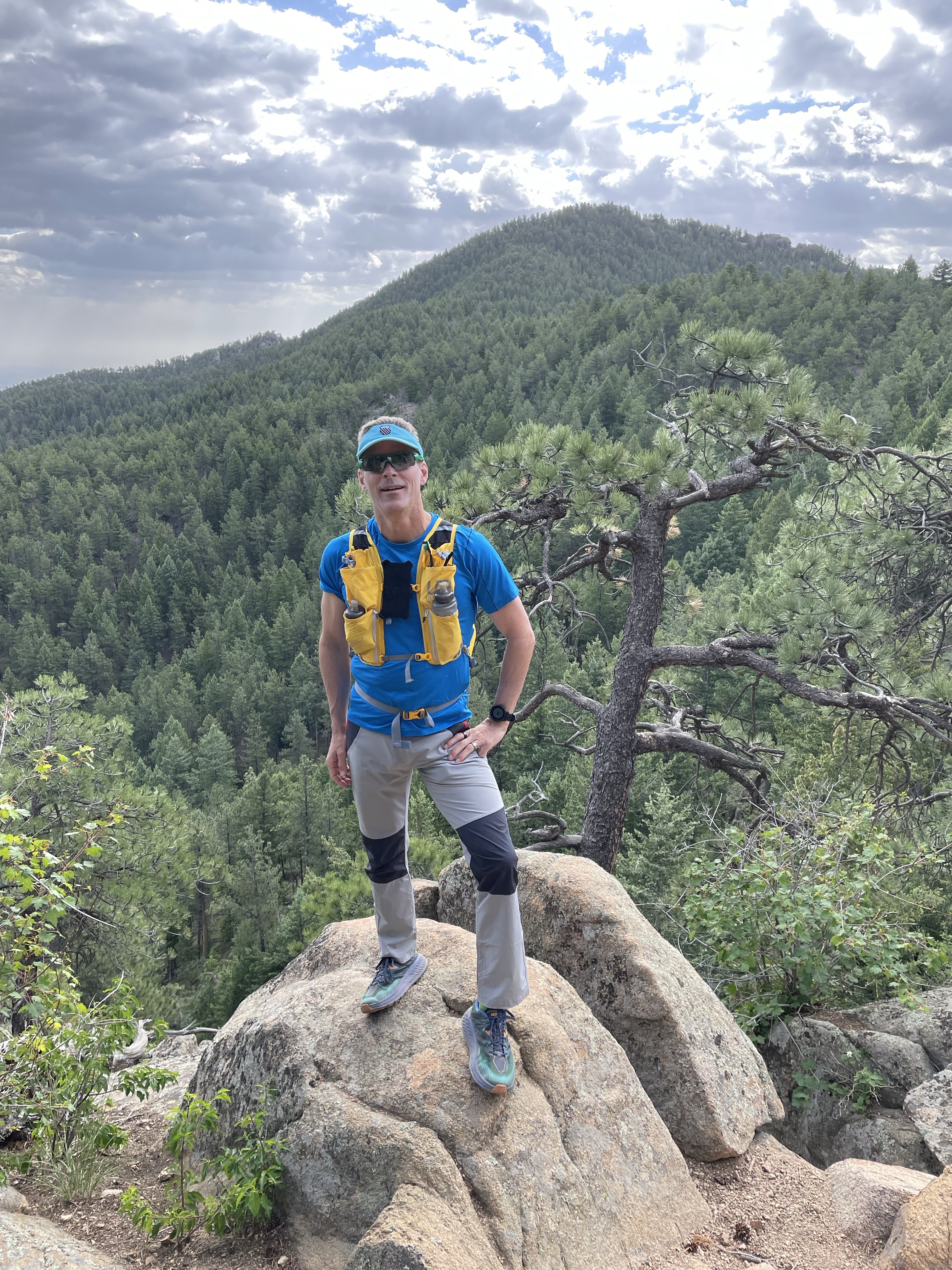
I’m going back to the beginning of my athletic journey and starting with weekly long hikes. 3-4 hours is what I’m tolerating right now.
No poles & with a day pack: I am challenging my balance and training the muscles & connective tissues of my lower legs (the source of my injury woes for the last 5+ years).
Step Two: Stretching
Johan got my attention with…
Hej Gordo, are you familiar with the Hip Progression in Going Long?
I just laughed.
Going Long is the title of the book I wrote with Joe Friel.
If you look closely at the progression (linked here), I’m not only the author, I was the model for the pictures.
Once he had my attention, Johan had me stand up during our call and walked me through the following:
Extend up on my toes // Lift toes while standing on heels – 4 cycles
From a deep African/Asian Squat – move forward/back/sideways – 2 circles each way
Camel Pose (toes back / toes under) – 4 breaths in each
Three cycles, takes 8 minutes.
Now, I want to stretch, but I doesn’t seem to happen.
My solution… Teach
When I coach my kids, we do my stretches.
During and after my stretches, I focus on how good I feel.
I log it in my training diary – show Johan, tick the box. I’ve also added it to my daily metrics (Y/N).
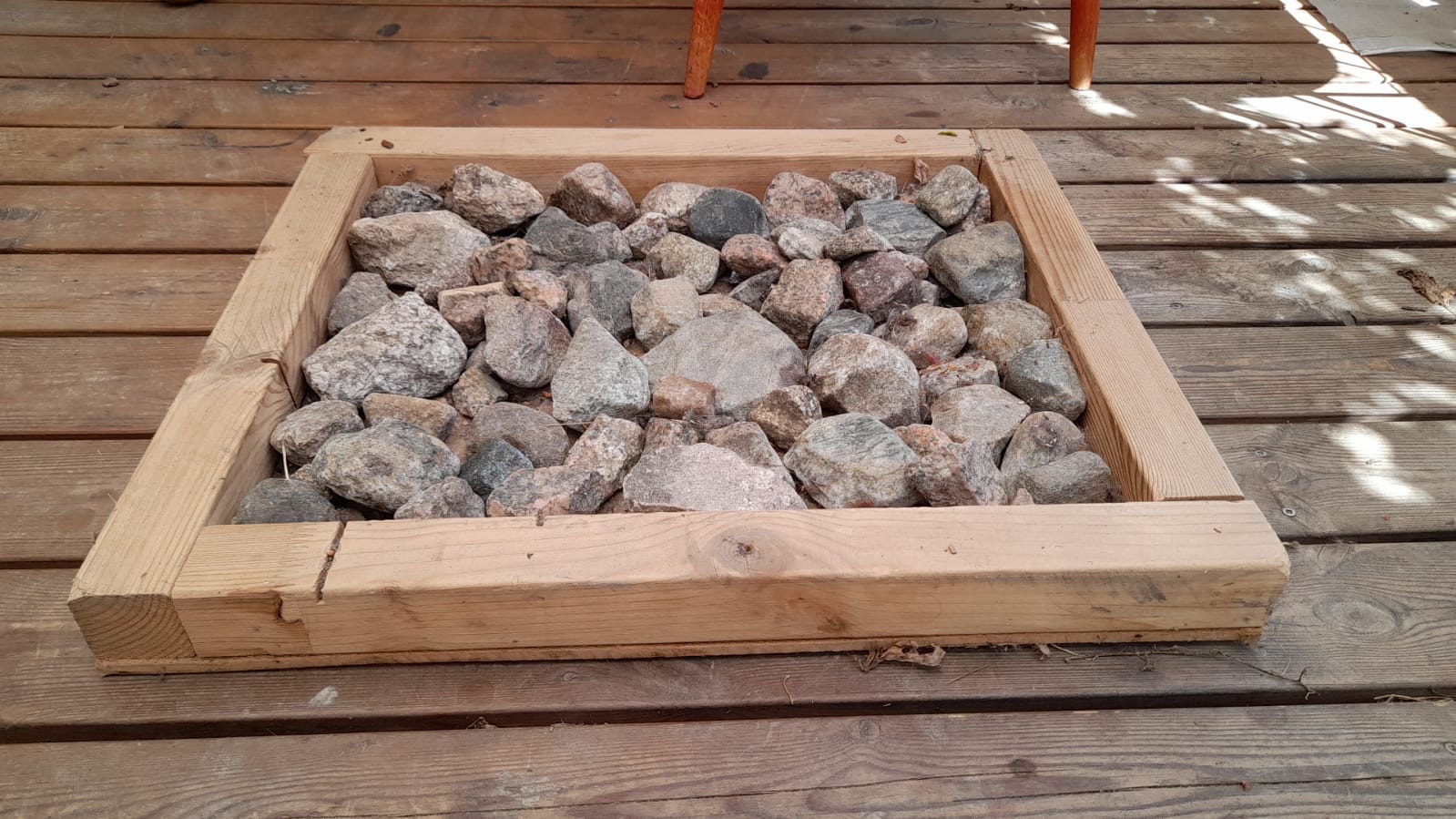
Nature Box in Boulder – Home Depot Special
Step Three: Stop Coddling My Feet
Because it was my lower legs giving out, I’d taken to coddling my feet. Johan recommended I try strengthening them instead.
Two methods to start:
Put the Nature Box in front of the sink and stand on it when doing the dishes.








 Feel The Byrn
You must be logged in to post a comment.