Hare-Brained Schemes


I’ve found that if you create something trivial to be anxious about, it cancels out serious things that you might be anxious about.

Malcolm Gladwell, WSJ

The patriarch of a family that I advise gave me a call to ask my advice on an investment with a very low probability of success…

“Am I crazy to do this?

Should I simply toss it in the trash?”

We think alike and his questions were a reflection of my own thinking… no way you’re going to make this work, it’s likely a waste of money, yada yada yada…

My advice?

Go for it. Absolutely.

++

Here’s why…

The deal was in an area that’s far outside his core competency. Having the opportunity to learn, to make mistakes, to create is a lot of fun. When I’m having fun, I do all aspects of my life better (husband, father, consultant).

The deal has a limited financial and time downside. The risk of time is often overlooked – time spent worrying, time spent seeking to fix a low performer, time not spent working on a strength. My pal is very good at his strengths and has a young family. Spending additional time learning new skills is “worth” the small downsides.

As Gladwell notes, when we’re working on a modest hare-brained scheme, we are far less likely to dream up something that risks a material chunk of our net worth, have an affair, quit our job, or pursue any of the other areas of Human Misjudgment.

++

Related to the above, if you have trouble being financially sensible, or get a thrill from risk, then a smart way to manage yourself is to allocate a small portion of your net cash flow towards casino-type investing, or actual trips to the casino!

You’ll find that your brain doesn’t require a large stake to excite itself with anticipation and you can stay open to the creative side of your personality.

Call it your “Fund of Fun” and use if for Vacations, Luxuries and Hare-Brained Schemes.

Allocate a portion of your cash flow (and time) towards these schemes.

Keep the rest of your life sensible and run it on autopilot.

++

Personal note – I always know that I’m holding onto my “rules” too tightly when my wife starts telling me to “be more fun.”

Truth be told, I’m terrified of breaking the rules because there’s nothing I like better (in the moment) than a massive binge!

I need a “fun budget” more than anyone.

Binging is a clear sign of holding on too tightly.

++

Finally, pay attention to how “the things that you think will make you happy” make you feel. I’ve noticed a HUGE difference between what I think I need and what makes me content.

  • I’m fond of adversity in hindsight
  • More food, more alcohol, more sleep, more money, more fatigue – MORE is not my answer
  • It doesn’t take much of a hangover to negate the small marginal gain from extreme living.
  • We are naturally loss averse – the trick is to frame choices to take advantage of this tendency
  • I’m prone to forget the joy of serenity, stillness and simplicity

Anyhow, that’s my list. I sincerely hope that you take the time to write your own.

Don’t wait to start living.

Micro Courage

axel_lionHow do I cultivate deep strength and resiliency?

We might describe resiliency as…

  • The capacity to continue despite life’s setbacks
  • The ability to become stronger due to stress (anti-fragility)
  • The strength to handle anything

They sound great, grand and completely unattainable!

I’m going to guide you through how I break it down into something that I can action in my daily living.

Start by flipping it on it’s head, what are the characteristics of the not-resilient? Think of the biggest head case you know…

  • Angry
  • Anxious
  • Depressed

When I think about anger and anxiety, they strike me as cultural expressions of fear. At some level, we see angry men and anxious women as normal. I feel both emotions all the time and they make me less effective.

What to do?

Over the last two years, I’ve been experimenting with micro-courage.

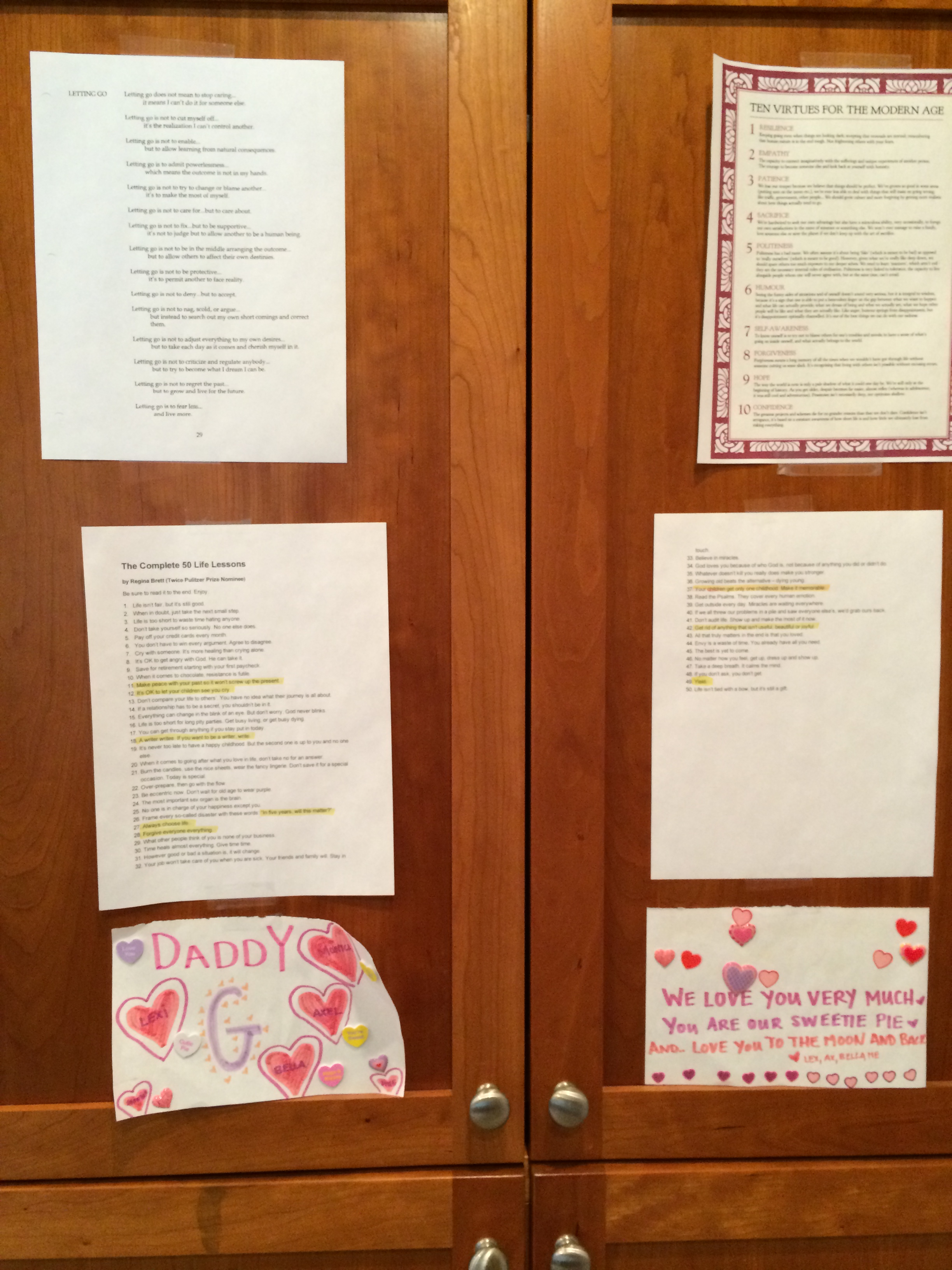
I started by printing up 50 life lessons and highlighting the ones that I wanted to focus on (11, 12, 18, 26, 27, 28, 37, 42, 49). If you come by my office, you’ll see they are taped near my printer…

lifelessonsReflecting on the lessons, I paid particular attention to three:

  • Let your children see you cry
  • Forgive everyone everything
  • Yield

I’d encourage you to find your own (triggers).

The game is to focus your actions on situations at the edge of what you can handle.

Here’s an example:

  • There are lots of homeless folks on the Boulder Creek Bike Path. Some of these folks are violent, others are mentally ill, still others are addicts. As a group, they scare the crap out of me.
  • While I have pals that work with the homeless, I don’t have any clue how to “fix” this problem and often wish the problem would go away (so I don’t have to deal with my inability to deal with it!).
  • Anyhow, there’s one guy that sits by the creek in the 28th St underpass and says good morning to everyone that runs, rides and walks past him. He’s a drinker and can get a little sloppy towards the end of the day.
  • I can’t fix the city’s homeless challenges but I can offer the guy a bit of human connection as I ride by. I look at him, smile and take a breath in. On the face of it, I’m smiling at him but, in reality, I’m staying open to the fear within myself. That’s micro-courage.

The story repeats itself in every part of my life that I want to close off.

I try to “stay open” as many times a day as I can.

The problem can be homelessness, litter, aggression, poor driving, manners, food quality… keep it small, remember to breathe in through your nose with a tiny smile.

Staying open to a small fear, a slight inconvenience, a little bit of sadness… I call it micro-courage.

The habit has been transformative in situations that I used to find overwhelming.

This is what I meant when I wrote that strength comes from staying open to little fears.

Courage is a powerful antidote to fear, anxiety and anger.

Be brave.

True Strength

g_aqua

One of my coaches, Mark Allen, made the observation that to get our race in order, we need to get our lives in order. Racing, like any other form of stress, can strip away our filters.

Mark’s advice is an example of an athletic lesson with a wide application into everyday living.

We share a desire to be strong. This desire is expressed by building up and adding to one’s self.

  • Adding size through muscles, bulk, heels, boots
  • Adding tension from taking on obligations
  • Adding palmares from victories
  • Adding possessions and external signs of power

I’ve done it all: cowboy boots; academic honors; powerlifting; fancy cars; big houses; jewelry for my wife…

Adding, adding, adding.

The list above is about our external life. Building up is a projection of strength, but it isn’t true strength. I think Mark is pointing us towards something that might become resiliency. An integrated life where we are in harmony with our external projection and OK with all aspects of our experience (strong/weak, happy/sad). This harmony lets us cope with the tests of our races (and lives).

Perhaps you’ve had a situation where you tell yourself to be “strong” but a more accurate description is a fear that our inner storm might show through. Having completely fallen apart a few times, isn’t that big of a deal. I don’t want to make a habit of it but I also don’t want to spend my life holding tight and letting the pressure build within me.

When tired, when grieving, when sick, when stressed… life has a way of stripping our filters away.

But how can we process our inner life?

  • Exercise works well for me – moderate effort, repeated movements
  • Others prefer meditation – cultivating stillness and observing one’s mind
  • Many find the combination of breathing and movement in yoga to be effective
  • Thrill seekers tend towards extreme risk and peak experience – works for them but doesn’t work for the larger goals of my family

If we keep peeling away our layers then we might find that the joke is on us.

Why?

Ultimately, every individual unravels.

It can be terrifying when we bump into this reality. You may have experienced this fear through the death of friends, parents and grandparents.

Ultimately, we might find comfort in defining resiliency in terms of something larger than ourselves – family, legacy, lineage, tradition.

Cultivate courage by staying open towards little fears.

Free My Mind

monsyWhat’s the difference between knowledge and wisdom?

Time, perhaps.

My friend, and his father, are both surgeons. The older doctor shared that ‘half of everything I learned, turned out to be wrong.

When I think back to my formal education, a good chunk appears to have been wrong. Of course, studying economics in the 1980s gives one an edge in the search for academic humility.

Why does this matter?

Knowing that most my knowledge will prove meaningless helps me decide where to focus thought. Some questions that I ask myself when I’m wound up…

Could I be having this discussion 10, 100 or 1,000 years ago?

– Nutrition, exercise protocol, the body fat percentage of myself and friends… All are recent phenomena. Not worth devoting much share of mind towards.

– Living well, meaning, time allocation… These questions track back to the ancients.

How long has this problem persisted?

– I love this question with regard to young children. They have been a challenge for parents across thousands of years. My odds of transcendence are long!

Under what conditions is the opposite opinion correct?

– This one is a loaded question because, once you realize that there’s always a situation where the opposite applies, it’s easier to develop tolerance for those who oppose us.

Am I sure?

The benefit of experience is that I’m not sure about much. However, there is a small list of traits where I am quite sure.

Quarterly Review

boat2Completed my quarterly review last week and wanted to pass along a few observations that could save your family money.

My default stance with personal expenses is “stay variable.” Renting, rather than owning is a good way to live. In-and-out of a property costs you a minimum of 15% of the gross capital value and being tied down geographically reduces your human capital.

That said, the best deal that I’ve done in the last few years was the purchase of my current house. It’s a half block away from a great public school and my mortgage/taxes/insurance cost me 65% of my owner’s equivalent rent. While I have a large amount of equity tied up, it’s increased 30% in the last two years (see – how I value real estate for a calculation method).

Three factors dominate my cost-to-own being less than my cost-to-rent:

Mortgage interest rate – these remain historically low. My rate is fixed for another 28-years – a valuable asset for my young family.

Cost to insure – Ten months ago, I realized that my home was grossly over-insured. As part of a 2nd mortgage restructuring, my place was appraised. I used the appraisal value to get a more realistic level of insurance in place.

Local Taxes – In 2013, the county reassessed my property at a 30% increase in value. I reviewed the county assessor’s website, pulled together more appropriate comps and requested a do-over. The assessor agreed with my comps and cut my taxes significantly.

The above, combined with an incorrect escrow calculation, means that my monthly payment has been resetting downwards all year. Starting October, I’ll be paying 20% less than two years ago.

The lesson is to be pro-active with checking the components of your mortgage payment. It takes times to get things right but there’s likely money to be saved. Everywhere I poked, I could save money.

Be patient with property purchases – great conditions happen once a decade and it’s nearly always better to wait.

++

In my portfolio, three main adjustments:

  • Sold US Equity Index to rebalance and raise funds for a property deal. This came out of a taxable account and I’ll pay CGT on the sale. Normally, I’d avoid the CGT but the account is a minor custody account that we’ve decided to spend on the kids before they’re 18.
  • Exchanged International Bond Index for US Bond Index to simplify my portfolio, lower my total cost and because the fund manager wasn’t able to convince me of any benefits of the product. Non-taxable exchange.
  • Staying the course with asset allocation ratios but will tweak if I sell an investment property.

++

Our long-term care insurance provider increased Monica’s premiums by 45% so we dropped the policy. Due to my cycling, it will be a tougher decision if they seek the same with me.

++

Our largest discretionary expense is preschool and childcare. We started tracking this weekly and comparing against my spouse’s gross income from working part time.

  • This calmed my mind because it showed that we were more in balance than I thought.
  • It gave us a weekly snapshot of how we were doing with cost control.
  • It showed us the trade-off between more work and more childcare.


+++

Overall, we keep chipping away at making our family a little more efficient each month.

It Wasn’t Good For Me

gnomeA number of my pals triathlon’ed from Vancouver to Calgary over the last two weeks. They did the journey as part of something called Epic Camp and I highly recommend Scott Molina’s blog about the trip. I’ve been chuckling along as the crew drill themselves daily across the Canadian Rockies.

In reading Molina’s diary of their adventure, I’ve been feeling three emotions…

Joy that Scott is able to keep on trucking. The guy’s 54 years old and he’s still able to love training at the edge of human endurance. Epic Camp is about the mental component of performance and Scott personifies joy from suffering.

Continuing amazement at what people can accomplish. It’s tempting to put ultra-athletes into a separate category as genetic freaks. The reality is most ultra-athletes are fairly normal physically. The differences arise in their capacity to embrace obsession and the way they experience fatigue & suffering.

Finally, I experience a deep sense of gratitude for my life in Boulder. When I was living my life of extreme athletic performance, I couldn’t see the cost of my status quo.

By the way, lots of people talk about the health risks of extreme exercise. I think that you are right but you’re missing the point. See the camp for what it is… a binge. I’ve always enjoyed a good binge. It’s something I need to watch. Also, so long as you don’t go banana’s with the running, the main short-term risk (to your kidneys) is limited.

Scott knows, and shares, the requirements for athletic success. He’s far more open than any other triathlon writer, myself included.

What’s yet to be published is the total reality of seeking our ultimate triathlon potential. Outside of triathlon, Sam Fussell gave it a shot with bodybuilding. His book, Muscle, is an entertaining account of the life of a full-time amateur (AKA a life similar to most tri-pros). Leaving the extreme drug use to one side, the parallels with my life are many.

I’ve often wanted to write the “whole truth” about my life. I’m most open with the non-racing spouses of my training pals. They know enough about my world to be entertained but aren’t so invested that I challenge their identities with my observations.

I looked deeper into my motivation and saw a desire to protect my children from my near misses. However, my children’s obsession is certainly going to be different than my own and they will resent being told what to do by their, ultimately, sixty-something father.

Here’s where Sam’s book comes into it’s own. The hero in Sam’s book is his mom. She keeps the lines of communication open, accepts Sam for who he his and frees him to change his mind on his own timetable.

As we ascend to the top, we can lose the goodness of our youth. It’s no accident that the highest-achievers had very difficult childhoods. It’s a rare person that becomes more kind under extreme stress – at Epic Camp, Bevan James Eyles is the best example that comes to mind. He was always part of the solution. The rest of us acted like wolves, or hyenas.

What helps everyone is encouragement to hold onto a piece of goodness and stay open when the little voice says, “this isn’t good for you.”

…and while I have no idea who is doing the talking… I know that following that voice has led me to a wonderful life.

Lex

Managing My Inner Game

2014-08-11 18.51.31

As a coach, I have come to realize that a number of my athletes rely on exercise to manage their mental health. I have asked the question…

If daily exercise is a requirement for your mental wellbeing then should we consider if extreme exercise is appropriate for your long-term health?

It’s worth noting that I’ve yet to have a top athlete answer my question with a “yes, we should!” While my pals haven’t answered this question, it’s something that I’ve addressed with choices in my own life.

High-profile athletes, and coaches, can feel the urge to fly-the-flag for extreme exercise. Because of the prestige given to “winning,” it takes courage to walk away from fame, winning or vanity => even when these things are unhealthy for our inner lives.

What calms my inner life and leaves me feeling satisfied?

My list:

  • An outdoor workout with 10-20 minutes of elevated HR
  • Time with my spouse
  • Picking up litter
  • Doing something that other people find too difficult
  • Helping other people
  • High-quality coffee or tea

My list reminds me that much of my spending is wasted.

In my life, the only thing that trumps exercise is sleep. I need to get my sleep AND I need to protect my sleep. I protect my sleep by:

  • Waking up each morning
  • No late naps, late nights, late coffees, late work sessions
  • Removing people and situations that cause me to lose sleep

I’m fortunate with the ups and downs of my moods – I don’t have the extremes that follow some of my pals. My swings are moderated by a lifestyle that gives me frequent top-ups and helps me avoid spiraling downhill. I wrote about downhill triggers here,

It usually takes multiple injuries for an athlete to be open to considering their role in creating their life situation. More normal, is gratitude for a return to training. Be aware when you are in a rush to get back to the pattern, and mental habits, that hurt you.

It takes courage to change our approach.

Be brave.

The Preschool Years


Lots of my pals have new arrivals so I thought I’d share from my years of living with preschoolers.

Three years ago, I can remember feeling overwhelmed. Our oldest was a terror, we had a new baby and I could see no end to the frantic energy and whining. Today, we’re up to three kids but I can see light at the end of the tunnel.

Where should a new parent focus?

Three things come to mind…

Marriage – it’s easy to lose each other in the craziness of a young family. Make time to be with each other. We try to spend 2-3 evenings with each other each week. Money spent here has the best return on my discretionary spending.


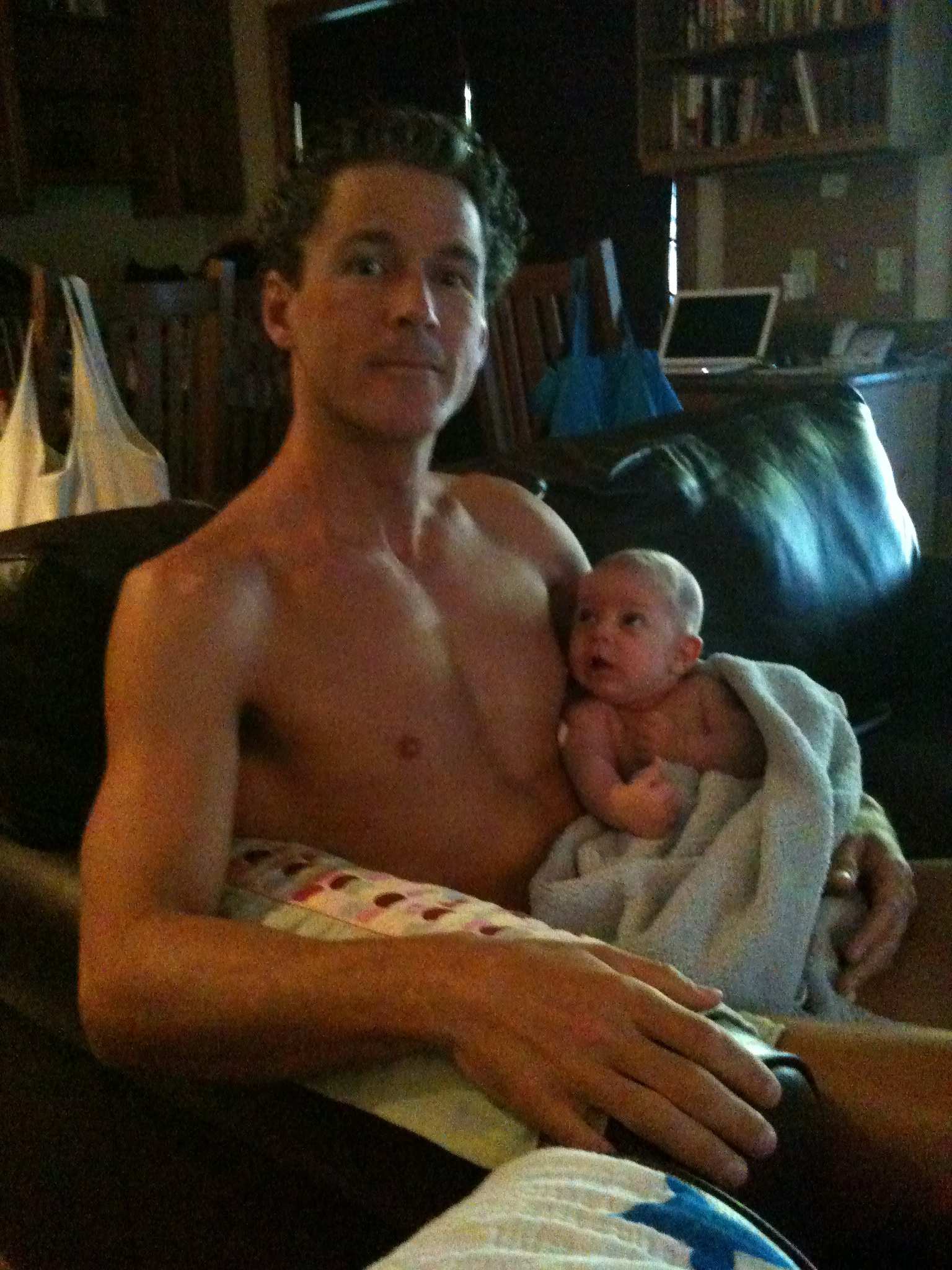
If you look closely, the baby is purple!

De-escalate – At my best, I have the skill to de-escalate my kids by relaxing myself.

How can you train yourself to not escalate when faced with a screaming child? Here’s my practical mindfulness program…

  • Courtesy to people with no recourse against me
  • Yield in traffic
  • Always polite to spouse
  • Pause when you feel anger
  • Train your relaxation reflex – perhaps by taking a big breath occasionally – here’s an app to help you learn to relax

None of the above has anything to do with kids – most of my parenting habits started far away from any toddlers!


Health – While you may, or may not, regret losing your spouse (or temper) through the preschool years, you will absolutely regret losing your health.

My trap is confusing athletic performance with health.

Other traps:

  • Confusing success with my bank balance
  • Measuring how effective I am by what I publish
  • Co-dependence, where I use serving another as an excuse to neglect myself

I share the above because our minds will convince us that there’s always a good short-term reason to ignore our long-term health. I don’t know your reasons but I know we are all prone to rationalizations.

All up, this phase of my life is going to last seven years.

1,000 days to go.

Soon they will be wiping themselves!

If I Owned Ironman – 2014

mongoIn a recent interview, the WTC noted that they didn’t know what would happen if they concentrated prize money and couldn’t figure out why athletes would want to be pros.

Why race pro?

In a word, STATUS.

Being a professional athlete is a high-status occupation. It is certainly better than saying you earn less than minimum wage and train all day.

The WTC noted that they have ~1,100 professionals in their ranks.

Here’s an idea:

  • Self-sanction your races
  • Harmonize the rules across your events
  • Take over elite accreditation (use a points/performance system based on WTC events)
  • Charge the pros $1,500 per annum for their “pro card”
  • Role 90% of those proceeds into The Race For Kona => $1.5 million bonus pool
  • Allocate points to the events that you want to promote => have the host cities bid?
  • Pay the bonus pool 50 deep (100 total) => no net cost to you, or your best athletes

What to do about Kona?

You only need 25 men and women (50 total) to have a great race.

How about:

  • Last year’s winner (1)
  • Regional winners (4)
  • Top 15 out of the Race To Kona Competition (pulling the pre-qualified 5 out for qualification, but not for cash bonuses!)
  • Five wild cards (once you are self- sanctioning, you can invite anyone you want – past tour winners, decathlon Gold medalists, up and comers, Olympic medalists) => every year there will be a ton of fan interest, debate and complaining. Great for the brand.
  • Every pro that finishes gets a check for $5,000, minimum.

Concentration of money

You said you don’t know what’s going to happen when you concentrate $5 million worth of prize money into a reduced number of events.

I’ll give it a shot.

  • Say there are ~20 top women world-wide => $125,000 per athlete
  • Say the number increases to ~50 for the men => $50,000 per athlete

Most of those folks should be able to set up a bonus deal to double their winnings – so $100,000 to 250,000 per top athlete. The male / female money dynamic is an interesting one. Top women earn more in WTC-triathlon.

A decent wage for exercising all day and the best-of-the-best will be on close to $500,000 per annum.

Sounds a lot like cycling.

++

As for what happens when we concentrate large sums of money on young people… that story has been playing out since the 1960s.

I’ll honor the first rule of Fight Club and leave what I know unsaid.

+++

You can find my Ironman thoughts from April 2011 here.

Hometown Hero

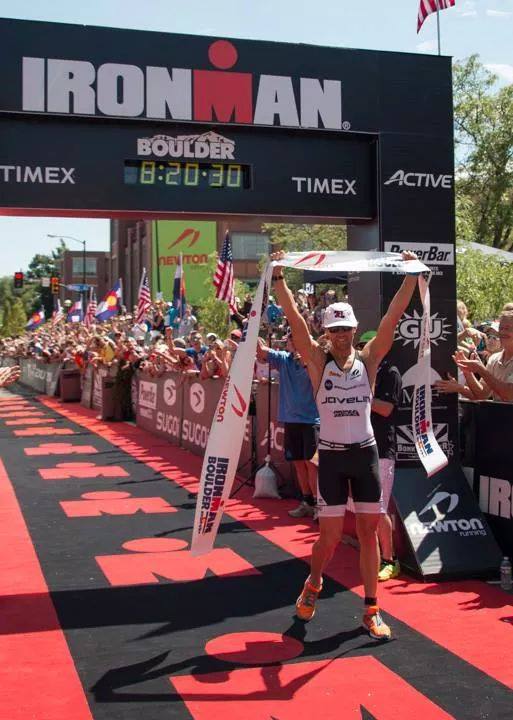
820My buddy, Justin Daerr, won Ironman Boulder this month. Even bigger, the ladies at my health club have started chatting about him!

He’s truly made it.

Not many people make the transition from average to champion. I was along for the ride.

epic_konaIn October of 2004, Justin came out to Hawaii for a camp that we were hosting. He had a big week of training and finished third in his age group in Kona. I didn’t know it at the time but October 2004 marked the high-water mark of my athletic career.

hawaii_run18 months before that camp, Scott Molina asked me, “What if that’s it?” At the time, I replied, “There’s always more.” Scott was a little early with his question but it was a good one.

What’s next?

After Justin became really good, he put in another 10,000 hours to become great. It’s the profile of a clean athlete, many years of plugging away. No quantum leaps.

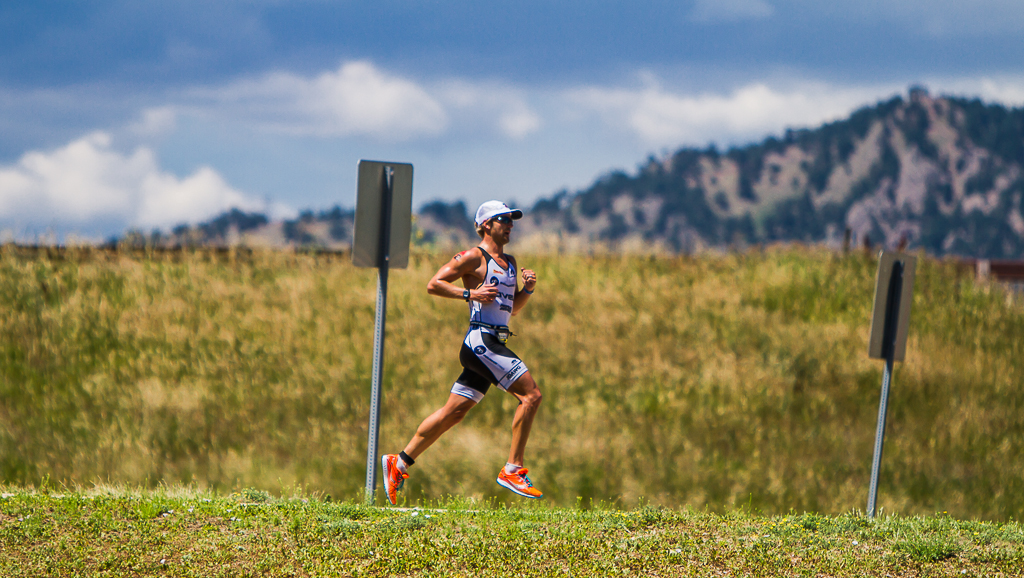
runI like to focus athletes on 1,000 days of effort. After 1,000 days, of racing pro Justin was going far faster but didn’t have a whole lot to show for his efforts. He was a long way off the top athletes and, like me, only competitive over long distances.

The link in the paragraph above shows J’s results. He was speedy for a long time. Thing is, everyone else at his level is speedy too! Eight years of consistent sub-9 Ironman times. That’s really fast, for a very long time.

How do I measure my return on investment?

…is a question we should ask

…especially about time we will spend

Absent conscious effort, we will default to the values of our community. My athletic community values vanity and victory. These values rule what I see around me and lead to athletic errors.

As a champion, expectations and self-image change. My champion pals, closer to my age, experience pain with the inevitable transitions that life brings. Whenever that transition happens, I hope Justin keeps what’s best from the last decade.

  • He was willing to inconvenience himself to do the right thing.
  • He persisted in the face of evidence that he might not make it – a good lesson for me to re-learn!
  • He never mentioned the slings and arrows that were tossed at him. Justin’s non-response made me a better person.

These are the good old days.

Remember to enjoy them!