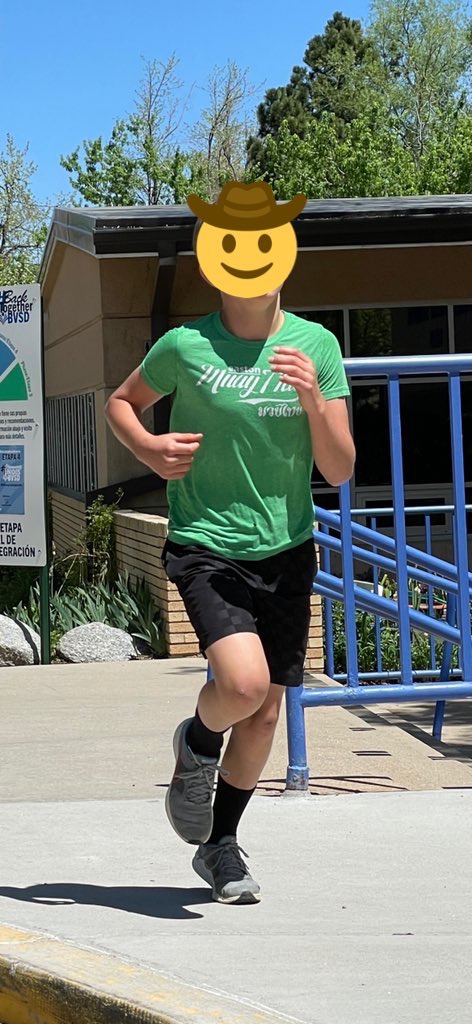
Teen runners can present a paradox… She won districts (!) and considers 10 minute per mile pace “absolutely brutal” when training (?) Solution? Well paced intervals and walking
How do you fully develop an athlete?
Keep them in sport.
This requires paying attention differently than if you were seeking to improve them.
Fun
Friends
Success
It also requires you to remove things that can knock them out of sport, and make training less fun.
For running, the #1 risk is injury from impact forces.
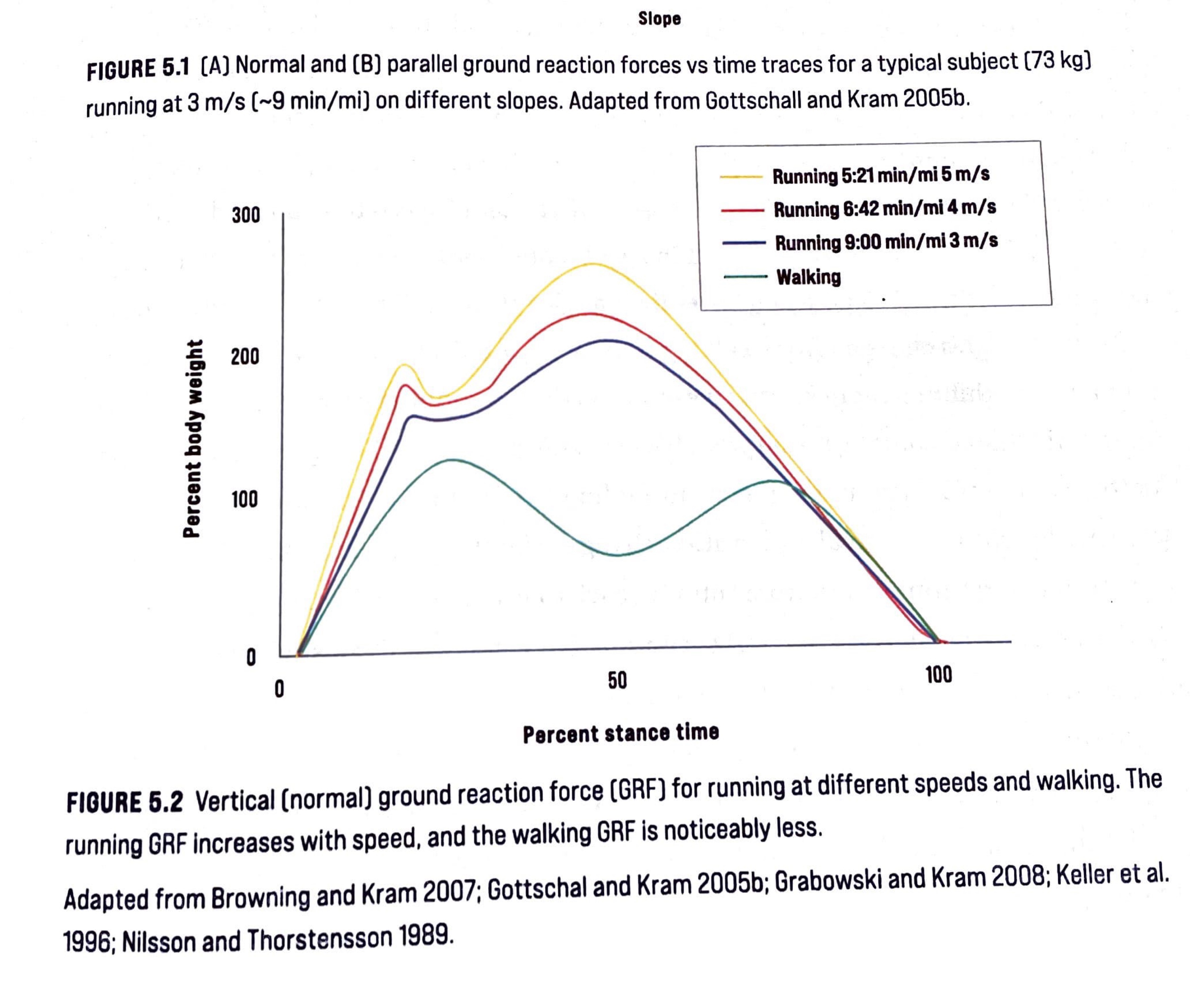
Learn about, and limit, impact forces – Jason’s Book is a good place to start (figure, below, is available free at the link, scroll down on Jason’s page)
p102/103, May The (Ground Reaction) Force Be With You
Thoughts:
The forces by WALKING, not by slowing down
Downhill, hard surface running will send the forces through the roof (avoid)
Uphill, walking & running, can be used to get intensity up with less impact
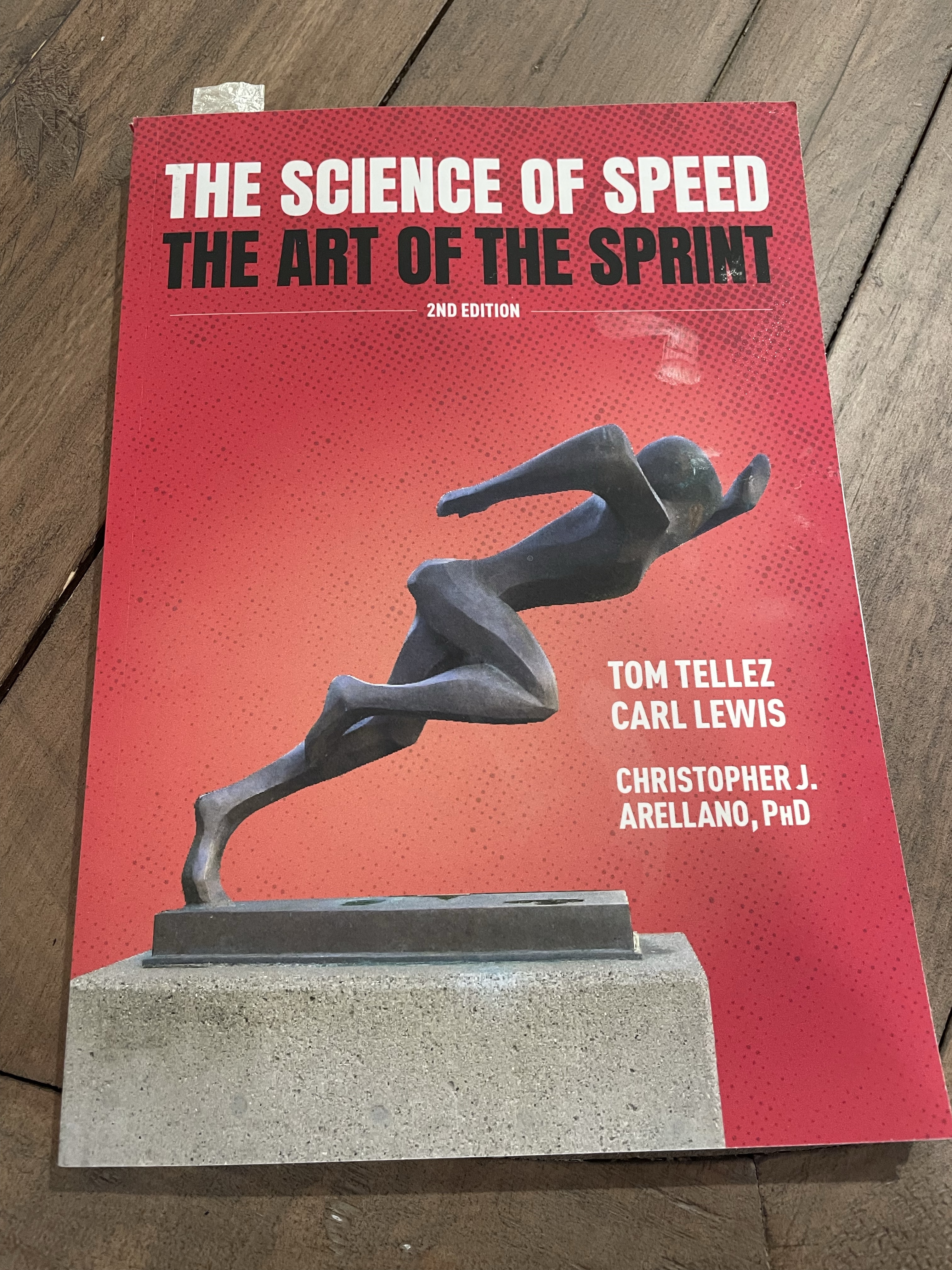
Jason’s book, on Ultrarunning, makes a nice complement to the sprinting book (below).
To those titles, you could add a mobility book. Ready To Run was available at our local library, link is to Kelly Starrett’s webpage.
My blog on pain-free running gives you a 10-minute program you could do with the kids and have them repeat on their off-days.
2002 / 2006 / 2010 Three Consecutive Swedish Olympic Teams
There are themes that repeat in the LTAD literature.
From 7-10 yo the local parents set up a “sports school.” One day a week, they’d have a couple hours and try different activities
Very active childhood, but no early specialization, Johan’s skate focus started ~13 yo
Continued to play organized soccer/tennis, and lots of spontaneous ball sports, through his mid-teens. His skating coach supported all general training and encouraged him to continue
Ran, cycled, raced Swedish Nationals (road race)
Grew up in a small city, 125,000 population at present
Surprising to me, Johan didn’t come from a Skate Family.
His Dad was a Regional Class soccer player. As the family grew, his father’s focus shifted from his own sports to being a soccer and bandy coach for kids. He continued to run and race 1-2x per year. Johan’s mom was artistic and both parents worked full-time through this childhood.
His entry to the sport of speed skating was via a local club that handled training, talent development and races.
VERY independent in approach – the local club organized bus trips to race in the Netherlands and Germany in his Tweens, without parents, staying with locals.
Johan was the key driver in getting himself to a very high level. The Swedish Club system and local coaching infrastructure gave him the opportunity to train himself to a world class level.
Johan, and I, are very interested in helping our kids excel at sport. It was the #1 topic for our call.
0-2 years old: we are a swim family, our babies all started out very comfortable in the water. If you want your kids to swim then, ideally, continue their natural-born comfort via positive experiences in the water, from birth.
2-6 years old
Movement skills via gymnastics – we didn’t progress into pre-team, very basic balance, agility and movement for all our kids
Swimming – a swim lesson, once a week, every week – from a coach, who wasn’t us.
Soccer Tots – from preschool age, coordination, bit of running, general play
Preschool – three years, play-based preschool where they learned skills to get along with other kids – early socialization in a play-based environment
7-12 years old
Just like Johan, lots of different sports: Thai Boxing, Jiu Jitsu, Indoor Climbing, Swimming, Soccer, Hiking, Running, Downhill Skiing, Uphill Skiing, Water Polo, Indoor Skiing
Some sports come-and-go, continue at least once per week swimming lesson.
Family policy is “do something” – we are willing to change what they do each season.
Lots of activity – competition mostly absent
In this phase, build self-confidence.
Two examples are indoor climbing and skiing. Both sports involve: movement skills, problem solving, fear management and young kids can be better than many adults. Huge confidence boosters for our crew.
No judges, no scoring, we SHARE athletic experiences with our kids.
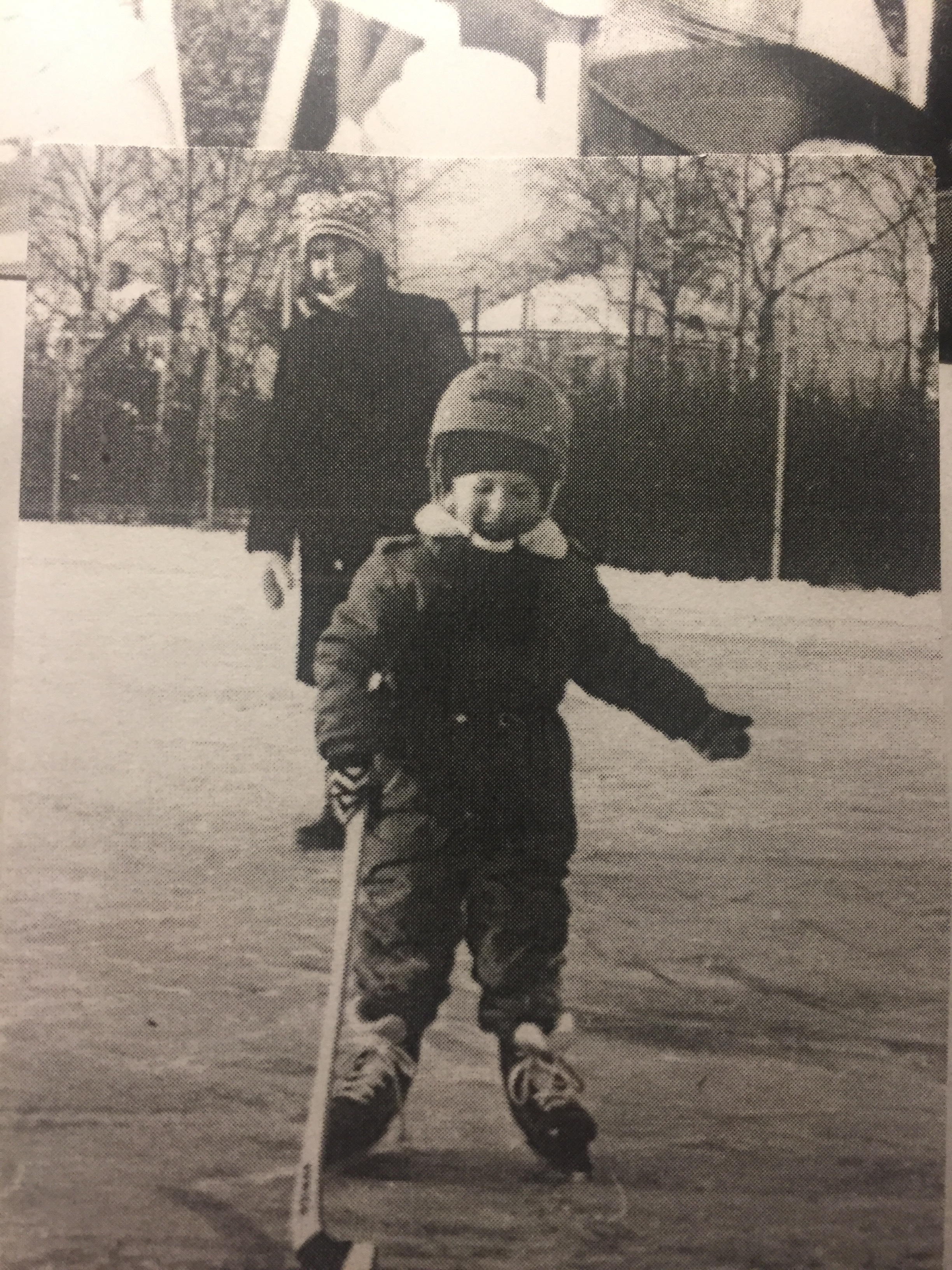
Little Johan in full flight
Race Experience
Something a little different.
Summer Swim League from a very early age (5 yo) for each of our kids.
Intense 10 week summer season where they swim M-F and have a dual meet on Saturday
Touch the water ~80 days across their summer holiday
Finals event with 100s of kids, gives them big venue experience
Positive early race experience by winning ribbons at the dual meets, and eventually medals at the Finals event
Teen Years – like Johan, specialize if THEY want.
Our only policy is that everyone does something, including us.
Our oldest is a swim specialist and soon-to-be 14 yo. She still does extracurricular cross-country running, track and skiing. Her summer swim focus, continues since 5 yo.
We only have negative-control.
In other words, we can screw things up, but we cannot make it happen.
What makes it happen?
Positive experiences
Wide range of movement skills
An environment to excel – access to skilled coaches and motivated teammates
The child’s, and eventually the teen’s, inherent drive
It’s a long road to the top!
Final questions => be brutally honest with yourself…
What do I want for my kids, and why do I want it?
A lifelong enjoyment of daily exercise NOT a self-identity wrapped up in winning!
Am I seeking to compete, or win, through them?
I want to enjoy nature alongside them. Many parents care far too much about results.
Understand my values & biases
We try to keep our kids, and ourselves, grounded by exposure to a WIDE range of field strengths. There is a benefit from getting our butts kicked every so often.
As parents, we are mostly positively reinforcing.
We offer immediate, negative feedback (and event venue removal) when we witness poor sportsmanship. We’ve left sports when we didn’t like the peers.
Consider if you have the muscle mass to achieve your goals
Build your capacity for One Big Slow Day
Another way to think about recovery is to invert – give yourself a protocol that you will enjoy regardless of outcome – lack of enjoyment is a sign your approach is unsustainable.
Injury and illness are socially-acceptable ways to manifest a lack of enjoyment.
Work, school, sport… bad luck is less random than it appears.
The best thing I learned about protocol was taught to me by a doctor friend:
Gordo, we don’t heal people. People heal themselves.
The magic isn’t in the protocol, supplement or dogma…
The magic ingredient is YOU!
Step back from all the noise about protocols.
How might we create a lifetime of winning?
Consistency
Enjoyment
Focus there.
What do we see in every successful person?
Practice often
Devote time
Learn skills
Focus there.
I’ve been reading the literature around SuperElite performance. It gets me fired-up to “practice often, devote time & learn skills” 🙂
However… it strikes me as a lot of narrative wrapped around the complex system of human performance.
The literature lacks self-awareness… despite what you see in the media, you probably do not want to be a Super Elite. I wouldn’t wish it on anyone.
Not our situation to solve.
For the rest of us!
The mental side is what’s going limit.
While we are consistently enjoying the journey…
do work
take correction
Parents, allocating TIME to have fun while you MODEL these skills is one of the best gifts you can give your kids.
I doesn’t need to be you (but your kids really want you involved).
Teach your kids to be the best version of themselves.
Not better than the rest, I hope you are the best YOU can be
The tiny dot in the middle of the frame is my son hiking up from a yard sale, in a gale, at the top of Pali Chair. FIVE minutes later he said, “Dad, I’m glad you’re as good a skier as me.” I’d kept my skis during the traverse! They have such short memories.
Our family ski experience is like my Pandemic Predictions => I got a lot wrong.
A friend, with four kids (and a jet), made the observation… “you gotta be able to do something as a family.” Given his role, as the smartest guy I know, we decided to give it a try.
My wife didn’t believe me when I said, in advance, “We’re making a million dollar decision here.”
Frankly, I took it easy on her. The math is daunting…
25 years, $5,000 per annum, 10% p.a. opportunity cost => $490,000
Extend that into your family tree (I have three kids)
Add-in the inflationary effect of surrounding yourself with the largest spenders in our society.
And… have a look around the parking area, with the smell of legal weed wafting across the empty beer cans… Is this an environment where I’d like to leave my teenaged kid unsupervised?
Still… “you gotta be able to do something as a family”.
$175,000 worth of opportunity cost later, I can ski any run, with any member of my family. This makes me happy during a time of year I used to dread.
Total immersion (5 million vertical feet, in three seasons) let me achieve my goal quickly… Something outside, at a high level, with any member of my family.
Unexpectedly worth it… but only after I figured out our family’s cash burn.
I cope with the “demographic” by focusing my energy on seeking to ski like an instructor, with the fitness of a ski patroller. These goals provide structure for my athletic year.
Like much of my outdoor life, my participation is conditional and always one major crash away from ending.
Our oldest (13 soon) started year round swim team at the end of last summer.
In Boulder, it’s not unusual for 8-10 year olds to be doing double workouts, and competing at a high level in multiple sports. We have some very well trained middle schoolers.
My approach is different => we want to leave room so performance will improve all the way from child to adult.
Leave the athlete somewhere to go => improve from 12 to 21 and beyond.
With a motivated kid, this means my role is holding back the pace of progression so the athlete has a better chance to reach their full potential and enjoy the benefits of lifelong exercise.
When To Go Year Round
When the kids were little, we didn’t specialize. Our younger kids still do a wide range of sport. The idea here is to develop a range of skills.
Racing is a skill.
While we didn’t ramp training load, all my kids have been racing fast since they were 5 yo. Summer swim league was the venue.
They love it and are building an invisible edge. Invisible to them but my lack of racing skills was obvious when I started competing as an adult…
Intensity tolerance
The ability to go way past reasonable, stay there, then go further
This spills into their endurance when it comes to learning capacity.
Summer swim league easily splits into three types of racing… where you’ll crush, about right, where you will be crushed (hopefully not too hard).
Early specialization has the field strength too strong, too early.
Parents
I’m a potted-plant parent and give very little feedback. It helps that I’m clueless when it comes to swimming really fast!
I make no effort to remember their times so I’m genuinely impressed every time they race.
You went so fast!
My main area of input is: (a) encouraging the kids to be nice to the new/slower/different people they come across; and (b) fielding off-the-wall questions about sex and human development. Our daughter is learning a lot (from being tossed in with older kids).
I also make sure we remember every athlete ends up back in the “real world” at the end of their career.
Boys & Men
We were fortunate to replace Uncle Andy with another male swim coach. Having male character models for my son does a lot for his motivation to attend.
JiuJitsu is coming back this week (male coaches) and his swim coach works part-time as a wilderness firefighter.
The cool factor matters to him, and me, when I think back to my own development.
Ticked the box on my first post-pandemic adventure this past weekend, a little earlier than expected (my second shot is mid-April).
Snow camping.
Why snow camping?
The #1 forward-looking reason is regret minimization.
There’s been a lot of accidental death around me.
The best way to deal with my son’s love of adventure is to teach him everything I know about the outdoors. It’s a fun project and fits my view that “skilled is better than safe.”
What do you remember about your life before COVID?
My main memory is spending a lot of money, time and effort for a life that felt pretty similar to the last 12 months.
The feel, inside me, is very consistent.
My baseline satisfaction is resilient to setbacks, and doesn’t move much with luxury.
Time in nature (with family), writing and teaching are three things that move the needle for me.
So the question I asked myself is “how best to allocate my time and effort going forward?”
Bring back the experiences, and people, that I missed.
Adventure, novelty & exploring => the best experiences of the last 12 months had this in common => so I’ll be aiming for a quick fix every six weeks.
Quick trips, back to my normal life quickly… because I’ve learned that more isn’t better.
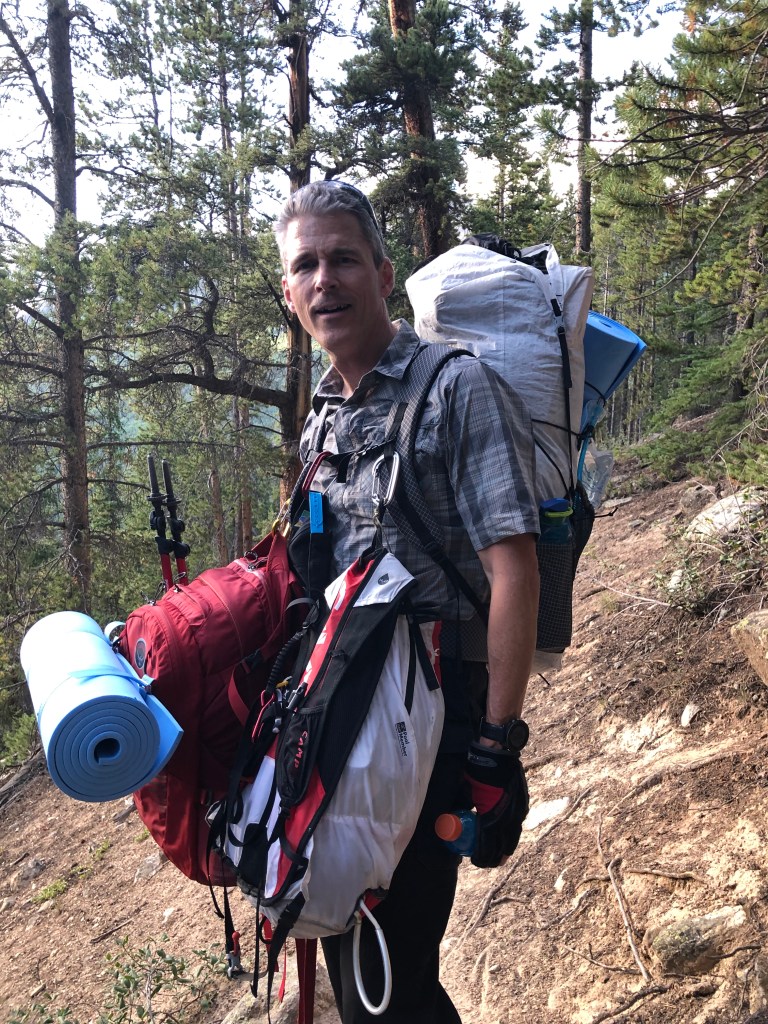
I bought myself a monster pack (105L), which lets me carry everything for my partners and removes any temptation for me to pick-up-the-pace on my team.
With people – same game plan.
Who did I miss?
Write a list of the people I didn’t see during the pandemic then do whatever-it-takes to have a quick visit with them.
Spend time, and effort, on connection.
I’ll end with a fun story from the overnight trip.
We started at 6am on Easter Sunday.
By noon, we had skied, skinned and set up camp. Both our feet were shot but there was eight hours until darkness!
What to do?
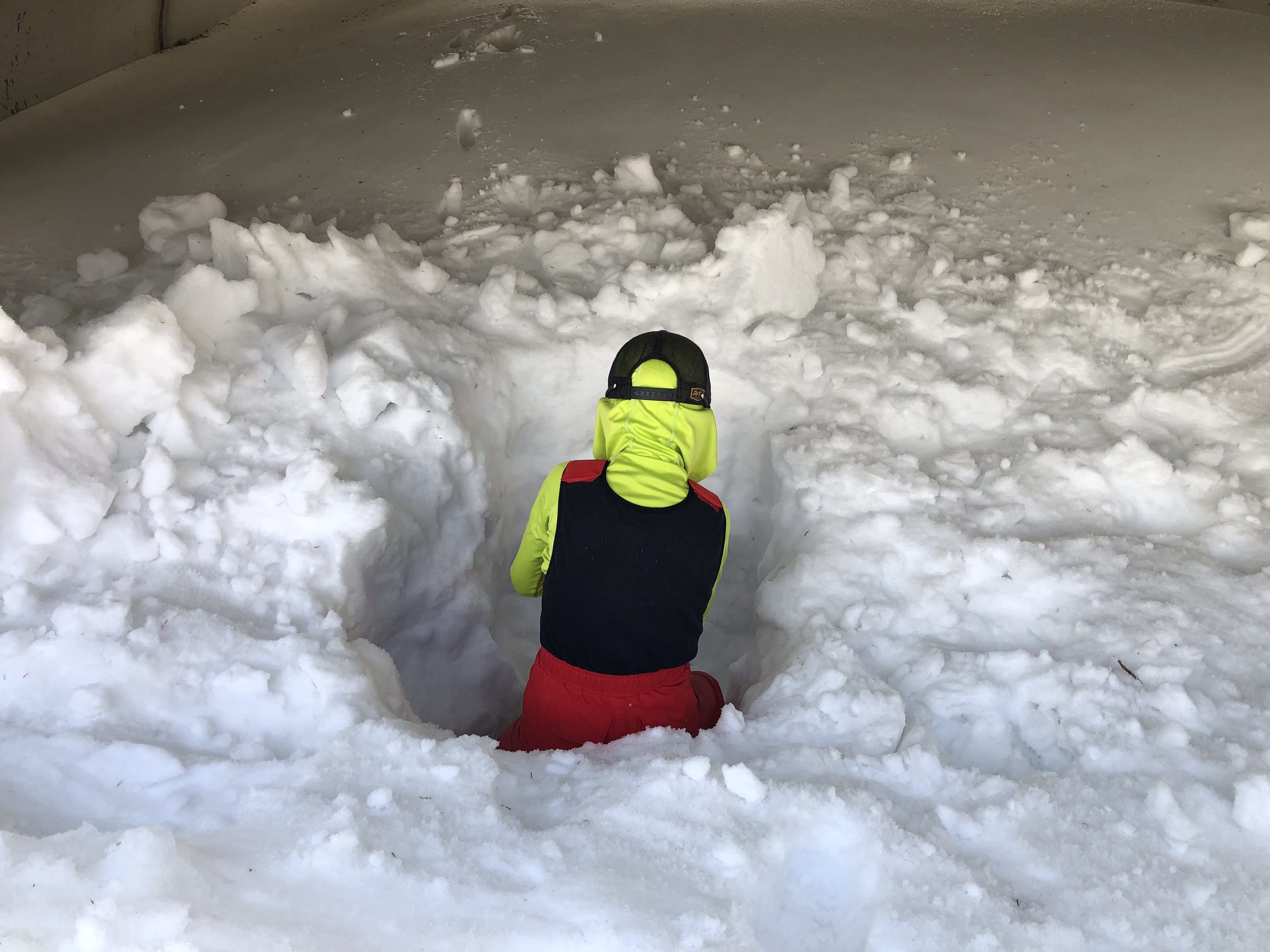
Hey buddy, let’s go on a water hunt.
First Attempt, nothingIt’s still deep up thereSecond Attempt, under a bridge – in a couple weeks there will be water RAGING through hereJust like a pioneer, amigo. Keep digging!Hey, do you hear water?!Jackpot when he kicked through the final ice layer.
My son got a huge kick out of using a shovel “for something real.”
This is the first winter, out of the last five, where I haven’t been ill or injured.
It’s not because of the pandemic.
It is because I resisted the urge to ramp training load until something broke.
Do you know the warning signs of doom?
Sugar craving
Hungry all the time
Need for double naps
Coffee has no impact
Inflamed gums (I’m in big trouble once I get this far)
Back in January, I started doing a bit of “real” training. It didn’t seem like much. I added a bit of tempo.
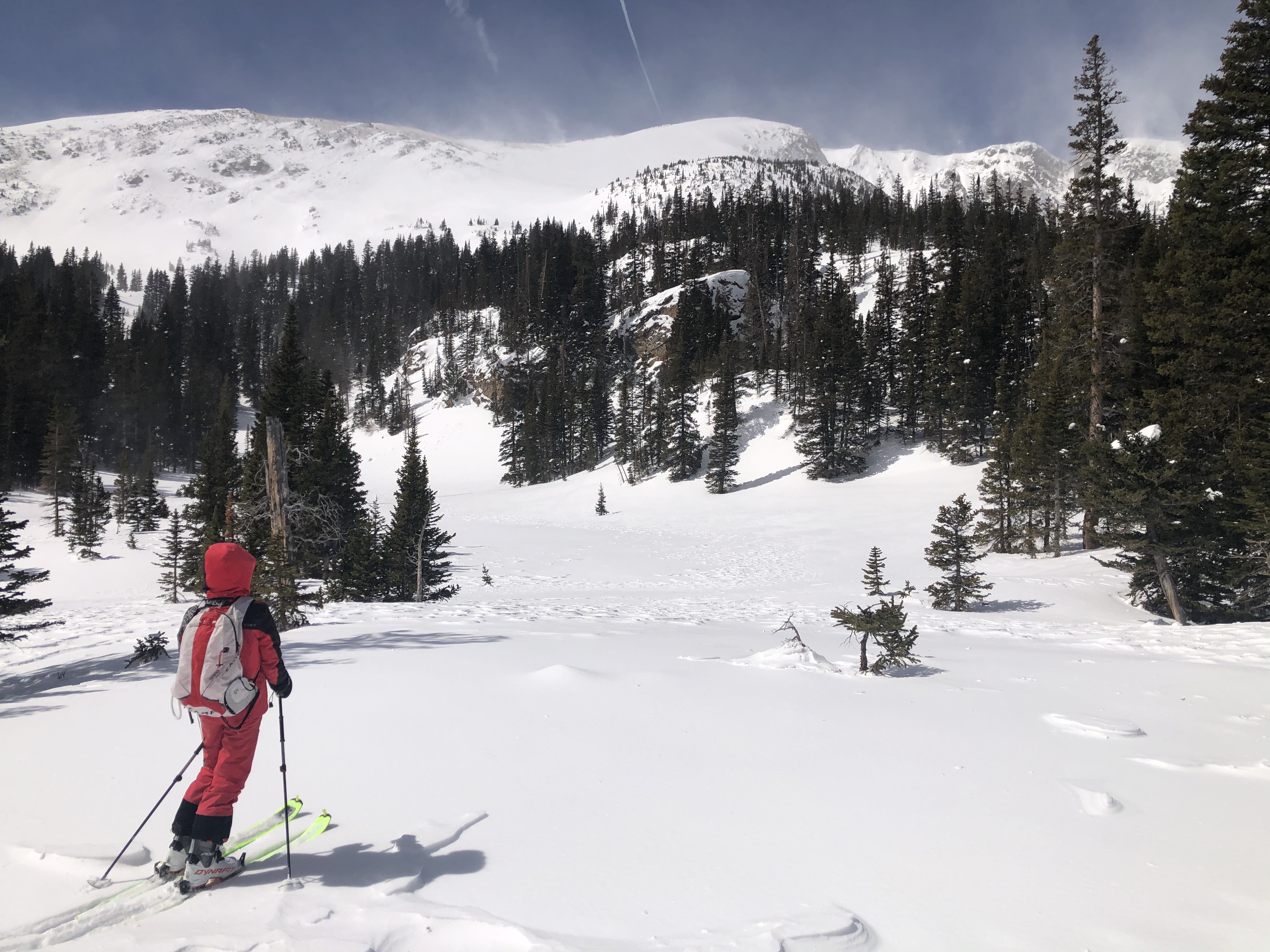
The session is simple, 2×20 minutes climbing on skins/skis, do it Tuesday/Thursday => 80 minutes of tempo, per week.
I’d feel high all day. For the rest of the winter, I had to remember Iñaki’s advice and resist the urge to add more.
I also had to add an extra 45 minutes of sleep, every single night, to recover (from what seemed like a tiny increase to my weekly load).
If you were injured, despite the pandemic (!), then you need to train yourself to follow Iñaki’s advice.
This habit, of increasing to the breaking point, may be applying more broadly in your life.
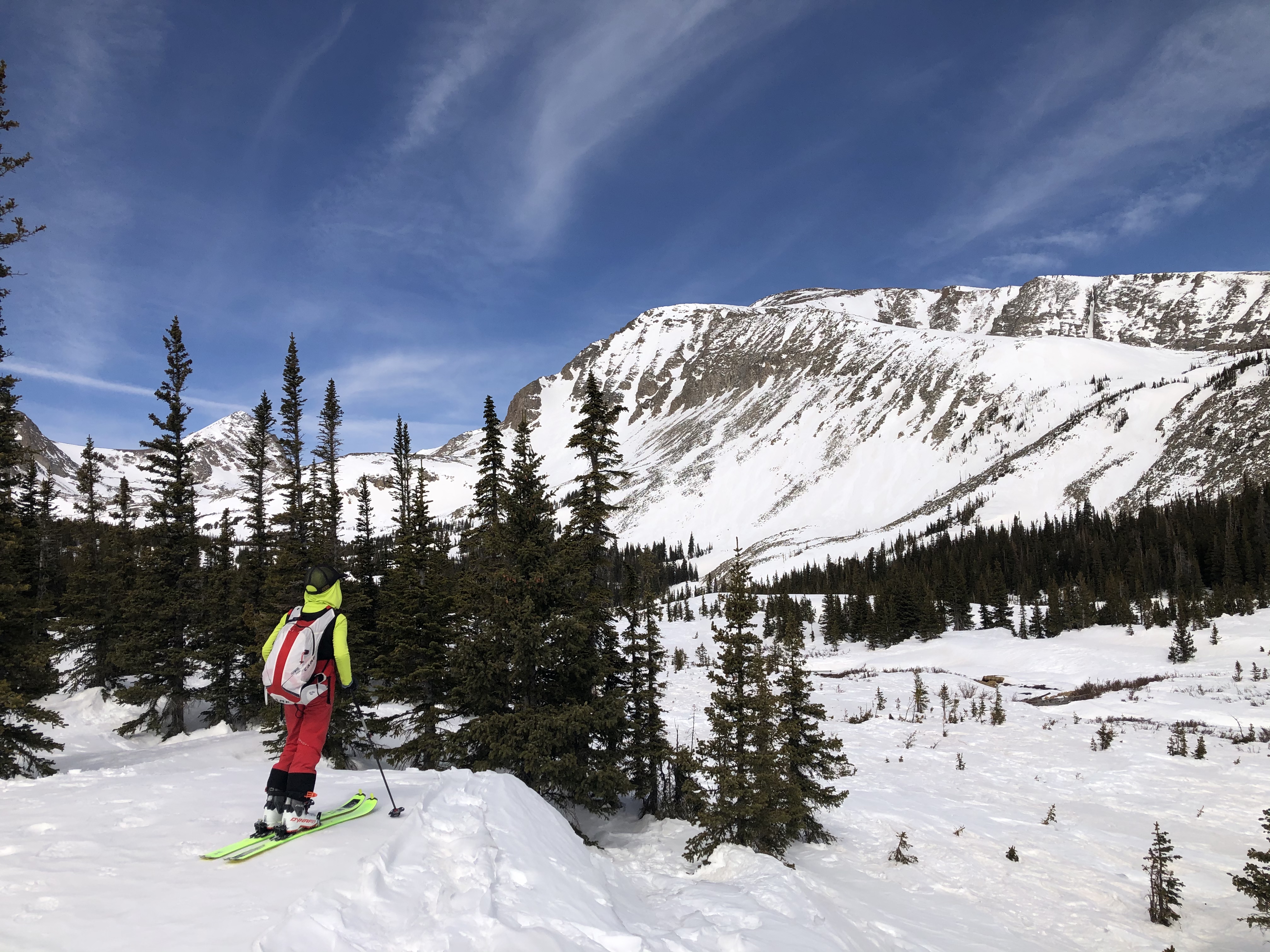
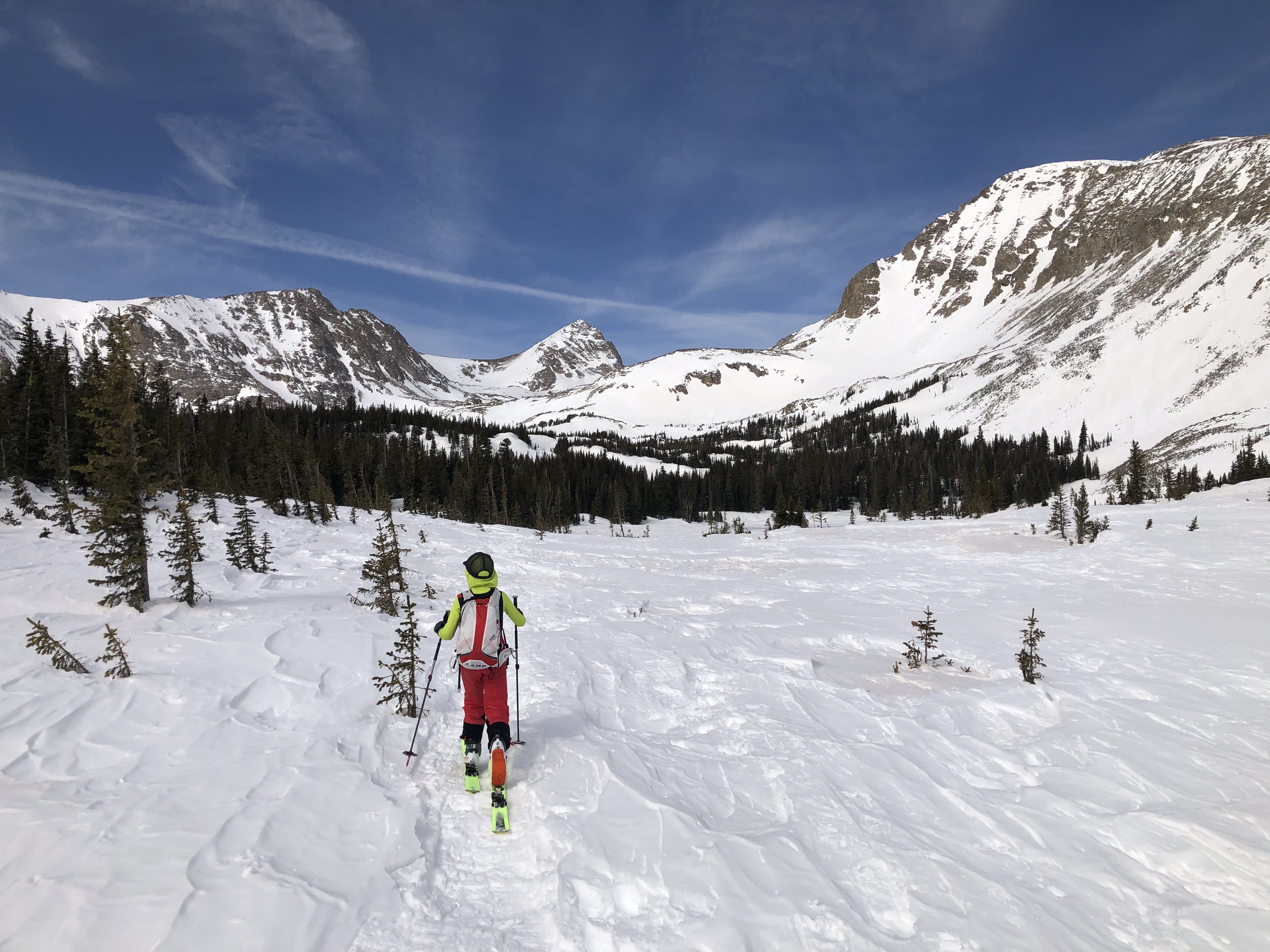
…and my son learned how to alpine tour
The BEST thing about amateur athletics is:
If you can learn a lesson, when the stakes are low, then you just might be able to apply it somewhere useful. 😉
Humility, Patience, Fortitude => how I raced
Consistency => no zeros => apply it to Project “Life”
Equanimity => focus on the controllable, leave the rest
Making time to share nature, together
Back in September, I wrote about seeking options during the Pandemic. I planned to swap 95% of my ski budget for a new vehicle, while removing COVID’s ability to screw up my ski season.
Worked out well, I traded-in three vehicles, reduced the target specification, bought my wife a new car and ended up with a 4Runner for myself.
By holding myself back, my financial outcome was better. Not surprising – I’m good with finance.
The surprising part was my ski season.
I will end March with 97 ski sessions and I never hit peak traffic, in the dark, with three kids in the car, during a blizzard…
…and our youngest is linking her turns in the black bumps
Let’s bring it together.
No injury, no illness, ~100 sessions on snow, 2 new cars, family is improving their skills…
Spending years crafting a desired outcome is something I do better than most.
It’s not just inside my marriage where I seek to influence outcome – I’ve been building a mountaineering partner. Since my son was two years old, he’s loved going uphill.
The “up” has never been a problem. In those early days, it was the “down” where he’d flame out. Back then, I’d never take him further than I could carry him out. We used to negotiate when the shoulder rides would start.
We’re into another hiking season and I wanted to share some ideas about developing your kids.
Last season, I carried everything, all the time. When I tried to get him to help out, the joy of the hike drained out of him. This led to some heavy, heavy days.
Over the winter, I adapted my training program so I could tolerate the loads.
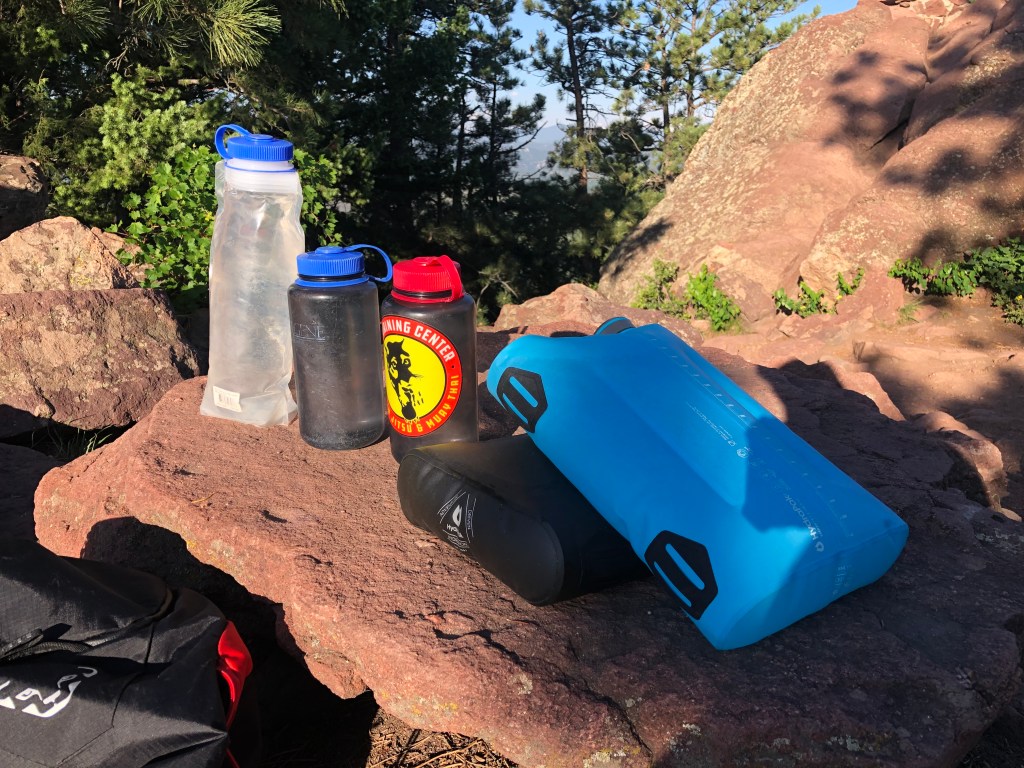
This year, we’re trying something new. To change our view on weight, I’m leading by example and carrying extra water to every summit.
Weight is a privilege. The picture above represents ~25 pounds of privilege. 😉
Seeing me carry, had the desired psychological outcome and he’s been asking me to carry “more.”
Two things are required to earn the right to carry:
Beat me to the summit
Don’t fall on the way down
The not falling is tougher than it sounds. Our mental cue is “walk like a boss” => wide stance, toes down the mountain, stand tall. It’s easy for a minute.
Less easy for an hour while discussing the finer points of the latest Clone Wars season or estimating Chewbacca’s age.
Dad, Chewie is in every movie, I can’t figure it out…
With lockdown, my full program has become visible to the kids. They noticed that I do a lot of strength training. Two (out of three) asked to join. So they’ve been doing some supplemental work to our hiking program.
I made light sandbags for them. We do burpees, short runs, clean & press, keg lifts… Because their bags are light, they can run circles around me (literally). They get a kick out of being “faster than Dad” and that keeps them coming back for more.
Our youngest (below) is working with an orange dry-bag I filled with clothes. It looks HUGE but doesn’t weigh much. My son had bag envy – his is filled with pea gravel.
Let everyone be strong is a lesson I learned from Scott Molina.
Be sure you let your kids be strong and find their win. It helps build their internal motivation to persist.
As for the program we are:
following a gradual, weekly progression
doing it locally before considering any travel
including a mixture of too easy, just right and challenging routes
inserting easy days so we bounce back
making sure we get consistent sleep
If you think the above sounds like the approach used by a gold-medal coach then you’d be right. It was taught it to me early in my triathlon career.
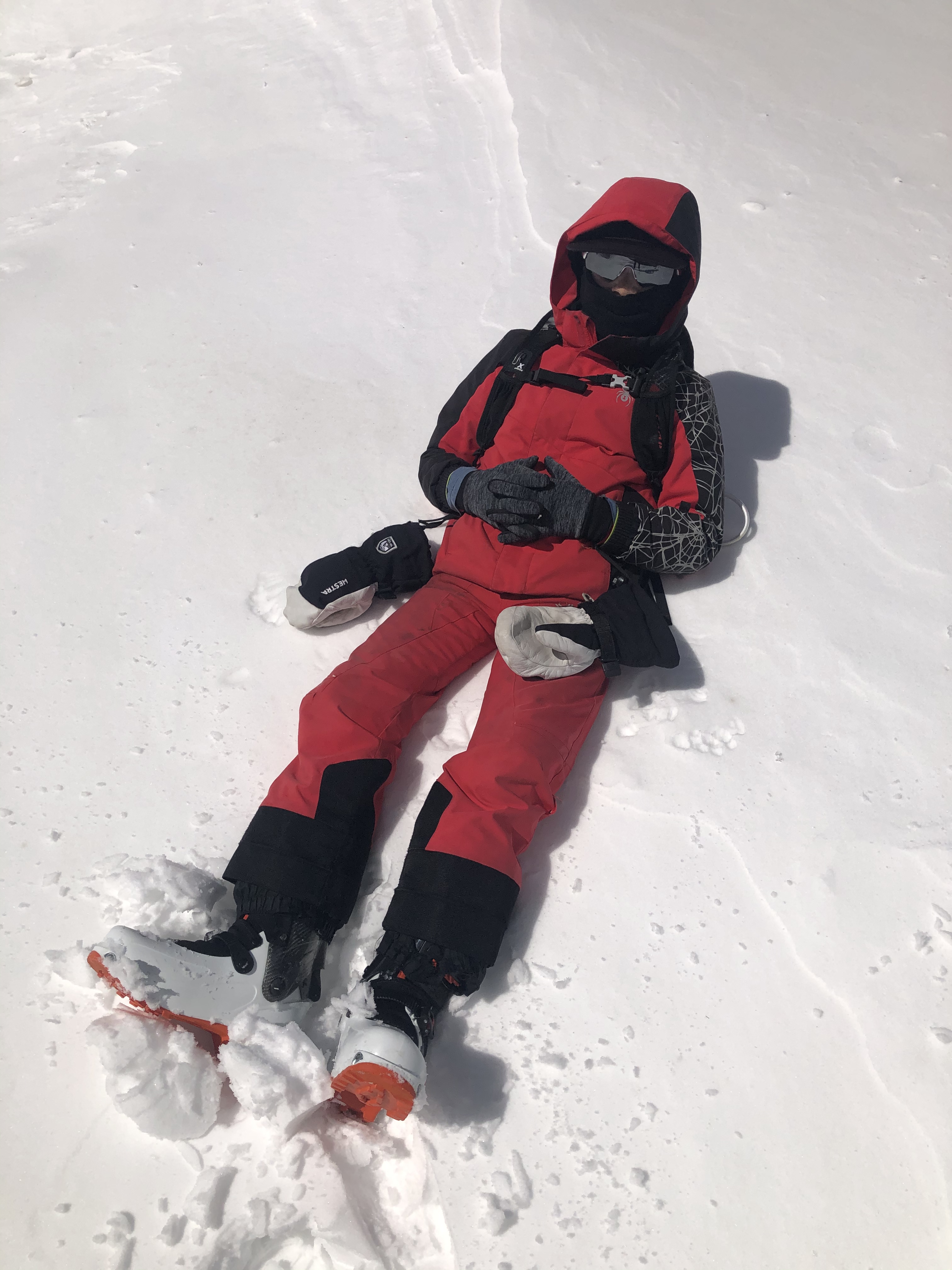
I special ordered a black mask from our oldest. Combined with blue-iridium sunglasses, a baseball hat and a hunting knife… we don’t have any problems getting folks to yield on the trail.
Why masks?
Foremost, because America need more people wearing masks. Be the change.
Secondly, because we might be on some crowded routes when the high mountains open up. Get sick later.
Finally, because it’s going to make life above tree-line seem a whole lot easier when we take them off.
Over multi-year time horizons, we have tremendous influence on the direction of our life.
My son is 9 and we can hike any route I want in the Rockies.
Be willing to inconvenience yourself (today) to help the people in your life become what you wish for them (tomorrow).













 Feel The Byrn
You must be logged in to post a comment.