Teen runners can present a paradox… She won districts (!) and considers 10 minute per mile pace “absolutely brutal” when training (?) Solution? Well paced intervals and walking
How do you fully develop an athlete?
Keep them in sport.
This requires paying attention differently than if you were seeking to improve them.
Fun
Friends
Success
It also requires you to remove things that can knock them out of sport, and make training less fun.
For running, the #1 risk is injury from impact forces.
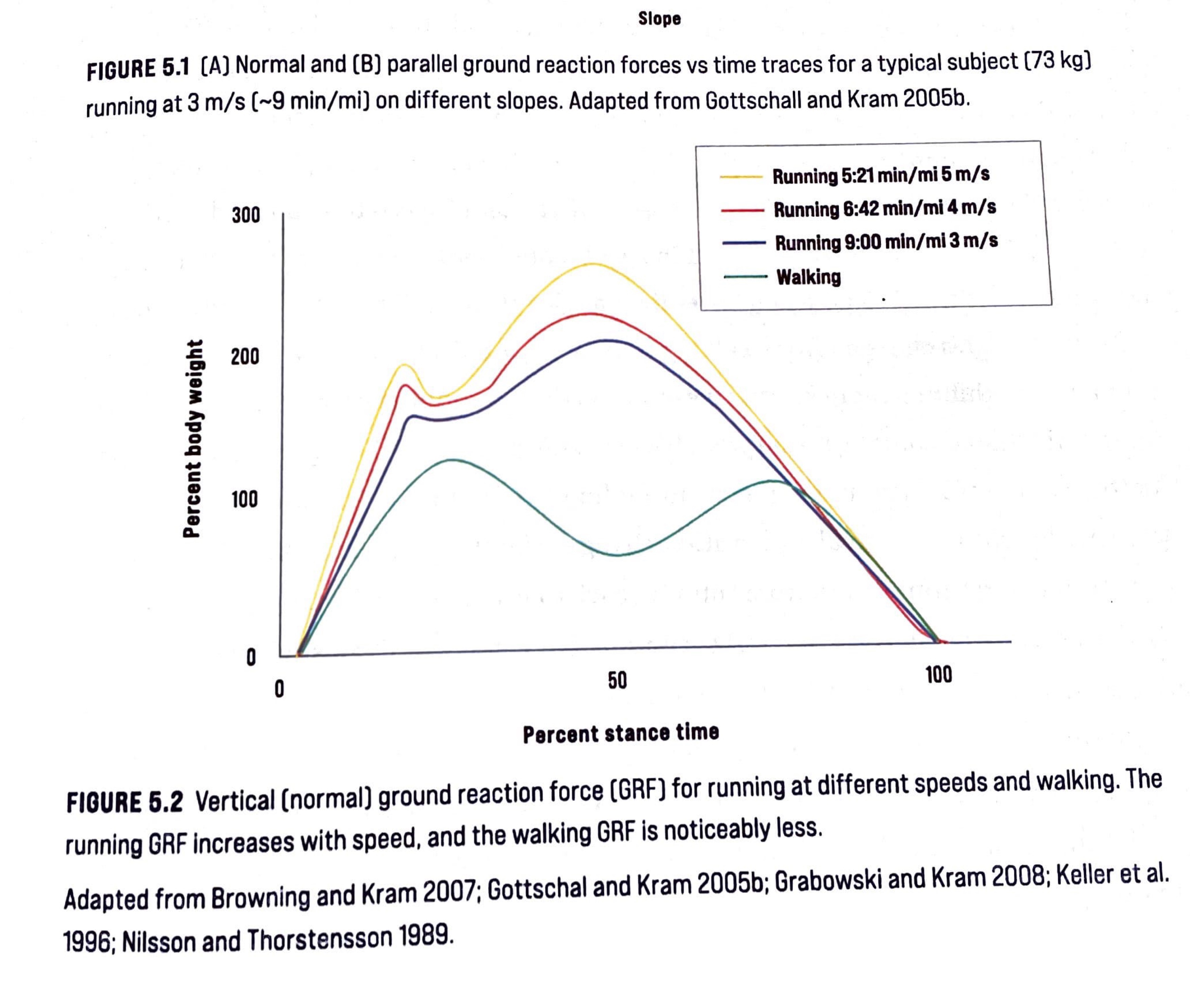
Learn about, and limit, impact forces – Jason’s Book is a good place to start (figure, below, is available free at the link, scroll down on Jason’s page)
p102/103, May The (Ground Reaction) Force Be With You
Thoughts:
The forces by WALKING, not by slowing down
Downhill, hard surface running will send the forces through the roof (avoid)
Uphill, walking & running, can be used to get intensity up with less impact
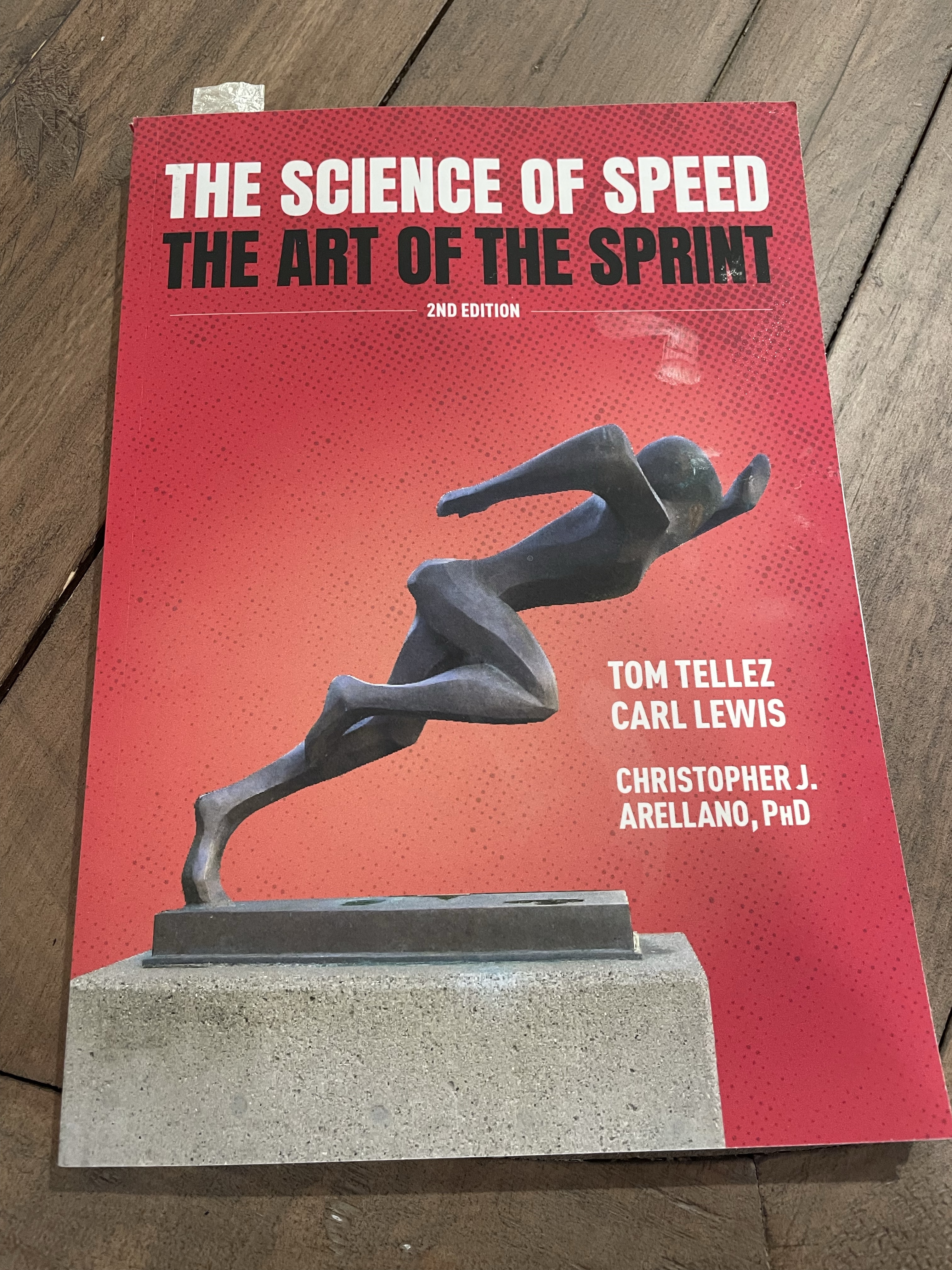
Jason’s book, on Ultrarunning, makes a nice complement to the sprinting book (below).
To those titles, you could add a mobility book. Ready To Run was available at our local library, link is to Kelly Starrett’s webpage.
My blog on pain-free running gives you a 10-minute program you could do with the kids and have them repeat on their off-days.
Nine months along with HRV, and 15 weeks along with proper training… I wanted to update you on how I’m applying load.
Dealing with Noise
To avoid chasing my tail on a daily basis…
Respect the trend
Ensure a positive trend before starting each microcycle
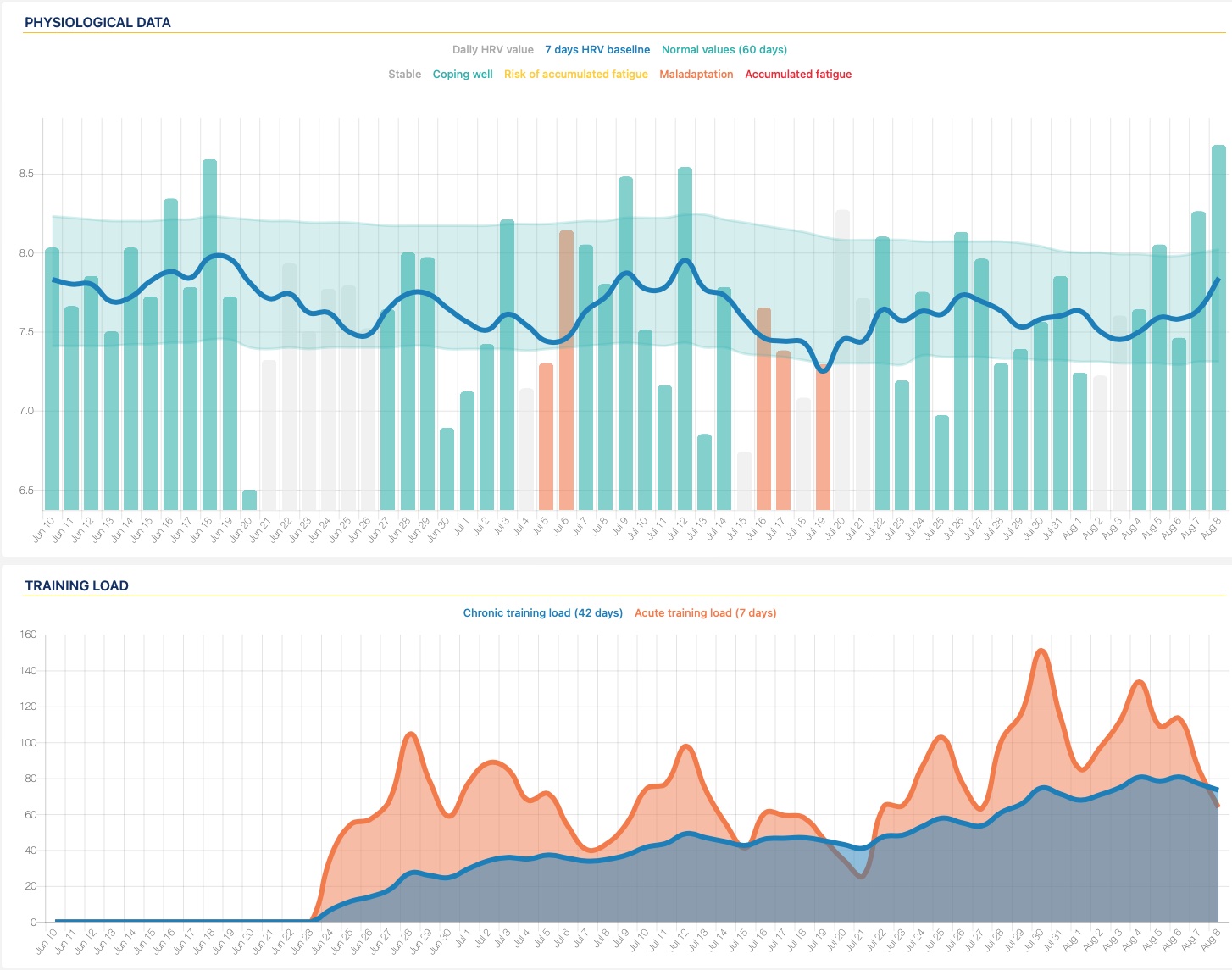
Chart from HRV4T.com
Respecting The Trend
Top half of the chart:
Blue line – 7 day HRV average
Shaded range – 60 day HRV average
Colored Bars – how I’m trending
When my “line” gets to the bottom of my shaded range…
When my bar turns orange…
…it is a sign I have disregarded the trend and gone too far.
Because my primary source of overload is Moderate Domain aerobic volume, the fatigue clears in a few days.
In July (lower chart) I made an error that required a week of backing off.
My error was stacking bikes on top of hikes, same day => my muscles are learning to reload themselves and I need to metabolically challenging sessions.
So, similar to Steve’s book, I thought I’d share my personal take on the topic.
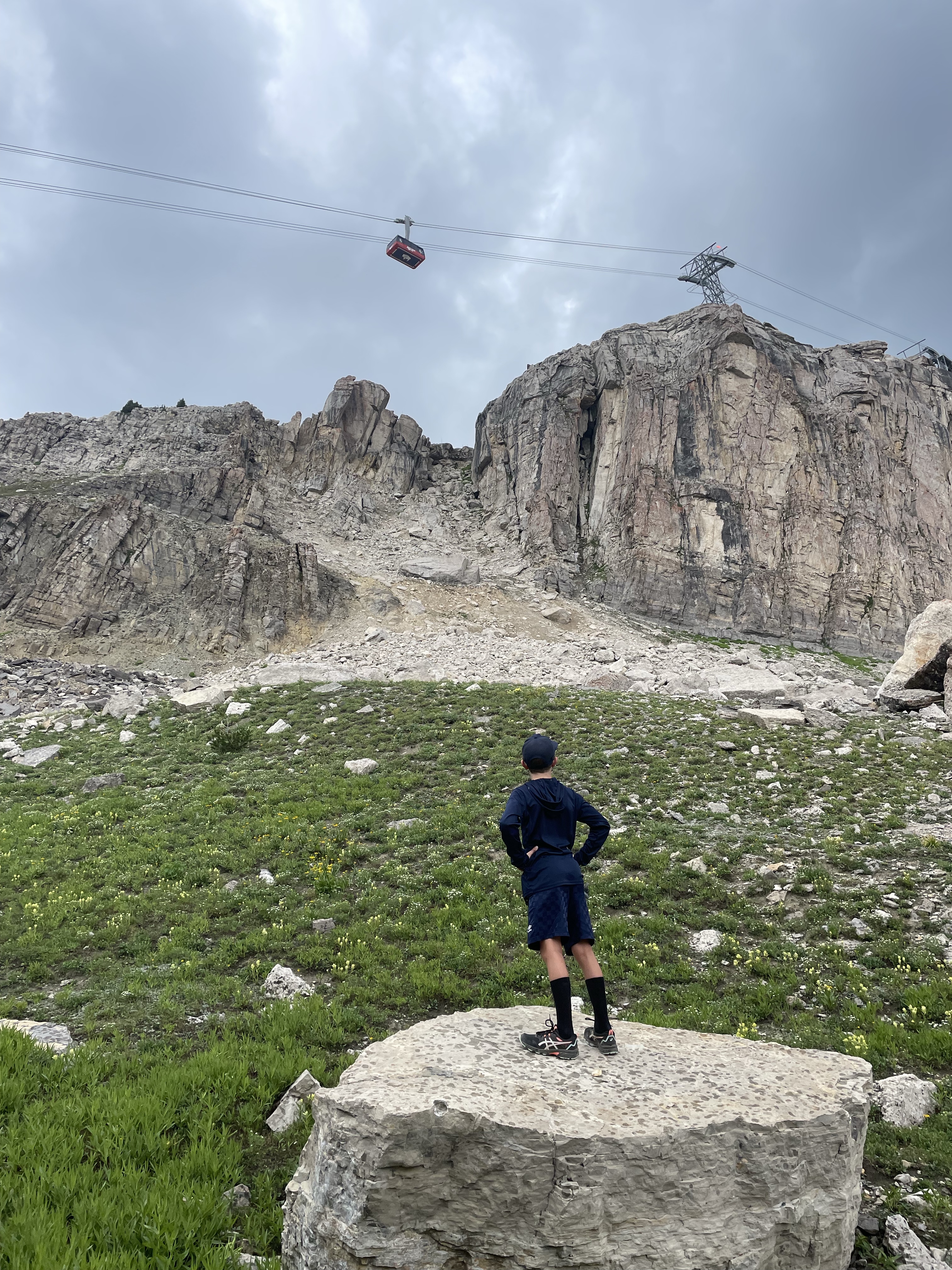
Before triathlon, I was an ultra hiker and mountaineer. It was a great way to prepare my body for the demands of running.
Frequency is the Foundation
If we want to improve at something then we need to do it often.
Often, like, most every day.
Whatever protocol you choose, it needs to allow enjoyment most every day.
What this implies, for my return to running, is getting my body to a point where I can run 5k most days.
Choose Goals where you have an Emotional Attachment
This helps in expected, and unexpected, ways.
Expected – helping us show grit, getting us past inevitable setbacks, helping us endure the challenges of the process.
Unexpected… when we care about outcome, REALLY CARE, then we might be able to overcome our habits of self-sabotage.
I love amateur sport for driving positive personal change.
Why?
Because our habits are not as ingrained as elsewhere in our lives.
I’m currently rolling a daily mobility streak that’s the longest of the last decade. My desire to improve my fitness motivated positive change.
++
Consistency via Removal
Pay attention to every choice that screws up tomorrow (‘s training). In my early days it was late-nights and alcohol.
As you build a habit of removing these minor obstacles, you might find larger issues to work with. Triggers that lead to “freak outs” (see Do Hard Things by Steve Magness, and my article).
The stress of racing, the grind of training… quite often these will surface other patterns we can work with.
I discovered a lot about myself on my endurance journey. I’m free to change the habits that hold me back.
Don’t let Goals cover Poor Choices
I write about sugar consumption sitting on the frontier between “training for health” vs “training for performance”.
That’s true but it’s only part of the story.
We often use “performance” to justify our choices.
It could be performance but it might also be something else.
Many times, high-performance has been an excuse for a disordered relationship with food and exercise.
Whatever I have going on…
Better to own it.
Gain a Technical Understanding of:
Personal sweat rate
Sodium needs
Gastric emptying
Many athletes have well-earned pride in their mental toughness.
Do not be in a rush to get to the difficult bits!
Understanding the points above, and training your personal “solution”, will avoid many unforced errors.
By the way… most my unforced errors track back to choosing a pace that’s not appropriate to the session, or conditions.
Put another way… nutrition problems are usually pacing errors in disguise.
Coach Monsy tradition is swim your age in 200s – if you look in the lower left corner then you can read a fun note from our son, “good luck swimming 16,000 when you’re 80!”
At the end of May, Johan asked if I’ve ever tried 1-2-4 with coffee.
1-2-4 is the pattern I came across with regard to alcohol, or anything really, that reduces the chance of over-doing-it.
One an hour
Two a day
Four a week
Johan’s timing was perfect.
A month earlier, I was talking with Dr. Jeff Shilt. I had a concern that sustained, high intensity training might be bad for my health. Jeff was succinct…
If you really want to do something for your health, consider drinking less coffee
I knocked out alcohol a few years ago. Coffee, however, has been a 20-year habit. I’ve metabolized a heck of a lot of caffeine in my life.
I told Doc J that I wasn’t interested in that adjustment, and we left it.
However…
I pride myself on being a model-patient and I remembered what he said
…and, behind the scenes, I noticed it was taking more and more intake to get a coffee buzz
…and, then Johan came along and said pretty much the same thing
I found myself in the position of ignoring a doctor, an Olympian, two goal-medal coaches, and a long-term friend… all rolled up into two people.
I decided to give it a shot.
I stopped the morning after Johan’s question. Johan’s on a break as well.
3.5 weeks so far.
No headaches
Drinking more water
Overall hydration better (assess via urine color) – likely means my recovery is better
The one drawback has been waking up _really_ early (3am) and, for the first two weeks, I couldn’t fall back asleep.
Cravings, perhaps.
The Stories We Tell Ourselves
One of my fears of stopping coffee was I wouldn’t be able to wake up. The autobrew was my alarm clock.
FALSE – if anything it’s too easy to wake up!
Another fear, I’d have less energy.
FALSE – no change in energy
Two things this experiment have proved to me, yet again.
#1 // when you get to a place were more ceases to work, try less
#2 // every so often, call your bluff on the stories you are telling yourself
My inner narrative on coffee proved false.
Not the first time, I’d been fooling myself.
Related Post is The 30-Day Test // binary choices are easier for me than moderation, less cognitive burden






 Feel The Byrn
You must be logged in to post a comment.